We previously reported that COVID-19 related health care utilization persists in a subset of insured adult patients for 180 days after their initial diagnosis.1 Specifically, depending on age group, 19-26% of 264,849 patients first diagnosed with COVID-19 from March 1 through July 31, 2020, had at least one COVID-19 related health care claim within 30 days, and these percentages dropped to 4-10% for the subsequent 31-90 days and to 3-6% by days 91-180.1
To better understand utilization patterns further out from initial diagnosis, we analyzed claims data of a large national insurer covering over 21 million adult, commercial (18 to <65 years) and Medicare Advantage (≥65 years) members with at least one day of enrollment from March 1 through August 31, 2020. We first identified a patient’s initial health care claim coded with a confirmed or probable COVID-19 diagnosis and further categorized patients by age group and coverage category (i.e., commercial or Medicare Advantage).2 We identified 331,137 individuals with a confirmed or probable COVID-19 diagnosis from March 1, 2020, through August 31, 2020, after excluding patients with reinfections (N=6,851) to focus on patients with only one COVID diagnosis documented.3-9
Depending on age group, with utilization related to age as expected, claims for care are highest within the 30 days after an initial diagnosis (approximately 16-26% of patients) and continue to decline over the subsequent follow-up periods with approximately 1% of patients seeking care related to their initial COVID-19 diagnosis 301-360 days post diagnosis.
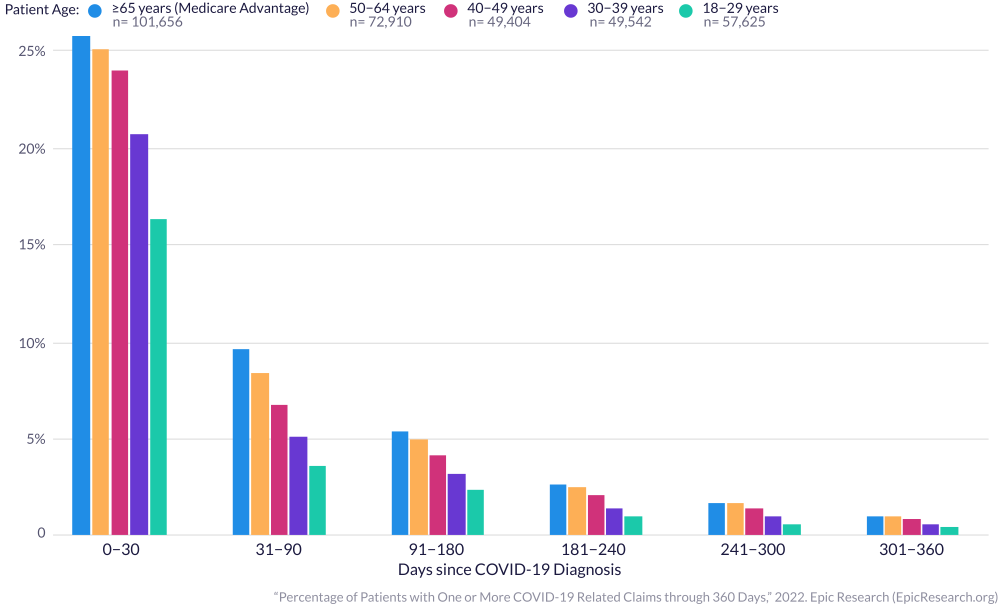
We conducted two sensitivity tests: 1) limiting the sample to only patients with continuous enrollment over the 360 period and 2) expanding the sample to include patients with reinfections. The findings with respect to utilization over time are robust and are insensitive to these changes in sample definition.
The finding that the percentage of COVID-19 related health care claims continued to decline over the 181-360 days after initial diagnosis is consistent with emerging evidence.2 New patterns may become apparent as data become available on patients who received COVID-19 vaccines or were infected with other variants or both. Linking utilization measures to additional data such as comorbidities, specific symptoms (e.g., altered taste, cognitive difficulty, breathlessness) and disease severity can add to a greater understanding of PASC and the types of care patients receive. Continued monitoring of COVID-19 patients’ health care utilization over time can inform frameworks guiding resource allocation and population health management programs.


