


Since the start of the pandemic, hospitals have been experiencing capacity issues as COVID-19 infections requiring hospitalization have taken hold. As shown in Figure 1, we identified five distinct surges in COVID hospitalizations across the U.S. between March 2020 and November 2021. In each surge, daily admissions increased at least 10% from the previous average weekly admissions.
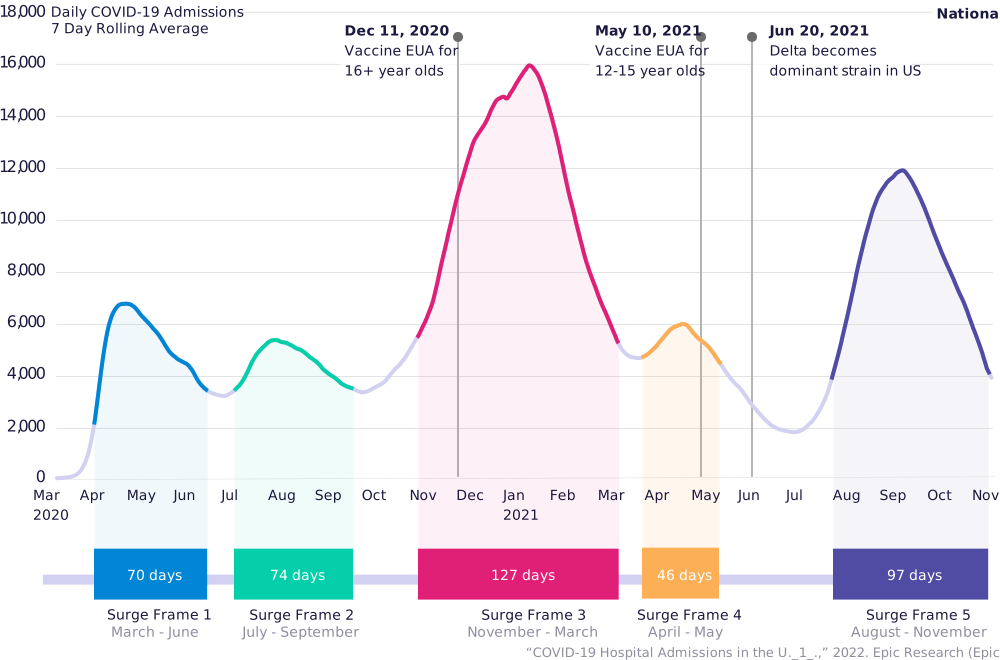
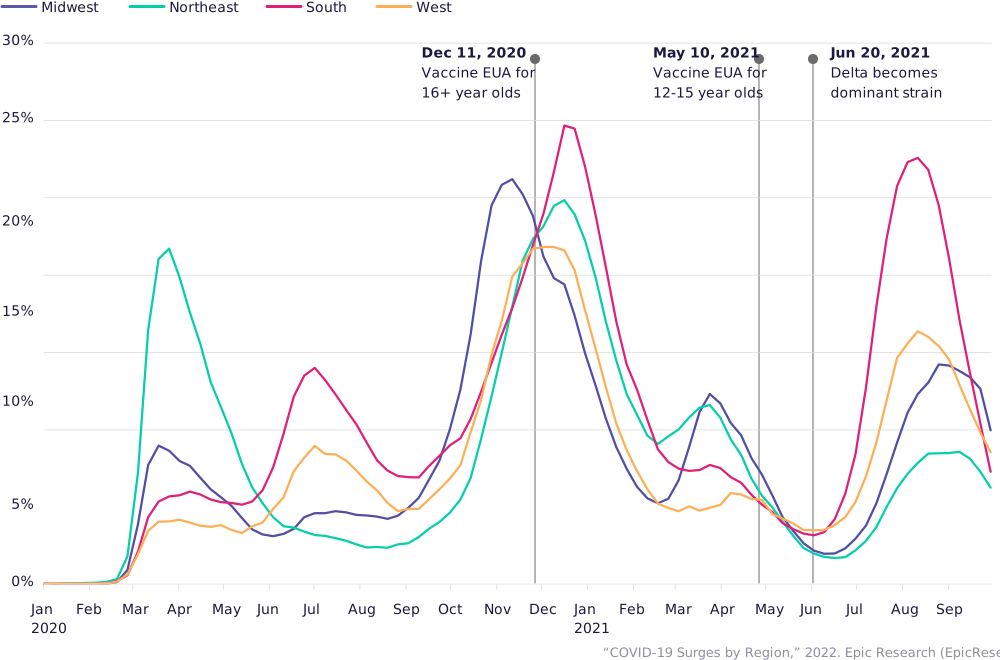
Each national surge lasted 81 days on average, with the third and fifth surges lasting the longest and seeing the greatest number of admissions. However, the four U.S. census regions experienced differences in both the magnitude and length of the COVID surges in hospitalizations. The third surge, seen in November 2020 to March 2021, had the highest percentage of COVID admissions for all four regions.
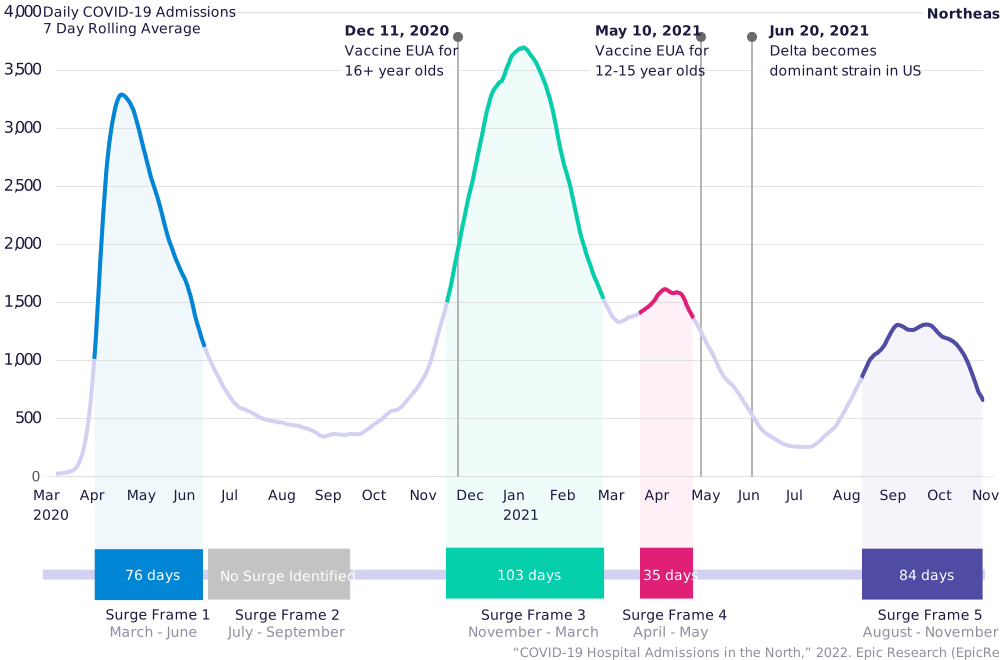
Northeast Region
The Northeast region was hit hardest by the first surge between March and April 2020, peaking at 22% of admissions for COVID. Concurrently, the Northeast experienced the longest first surge, six days longer than the average. However, the Northeast did not experience the second surge, and all subsequent surges through November 2021 were shorter than the average surge duration.
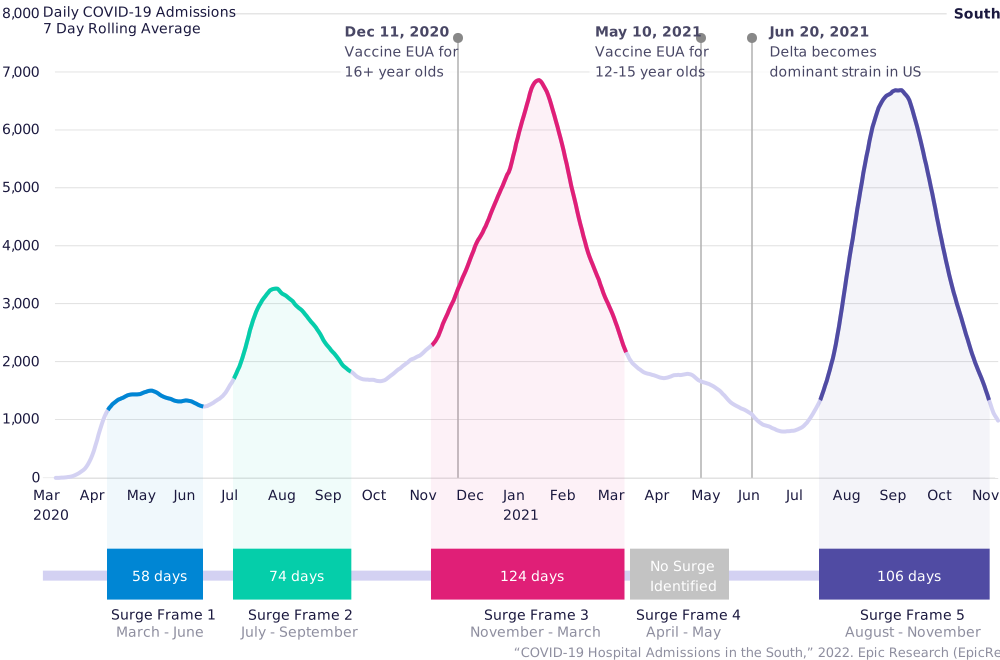
South Region
In contrast, the South region experienced the fifth surge at a longer duration (9 days longer than average) and much greater magnitude (25% of total admissions) than any other region. The CDC reports COVID vaccination rates are also lowest in the South.1
Midwest Region
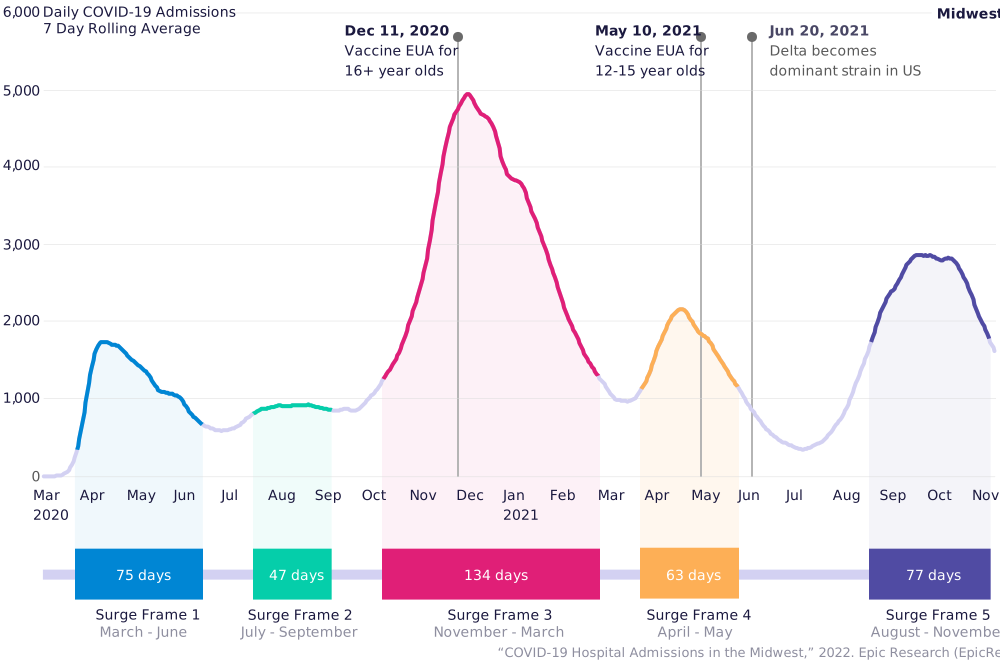
The Midwest experienced longer than average surges in the third and fourth surge frames, which were 7 and 17 days longer than average, respectively. However, the second surge frames, from July to September 2020, was 27 days shorter than average.
West Region
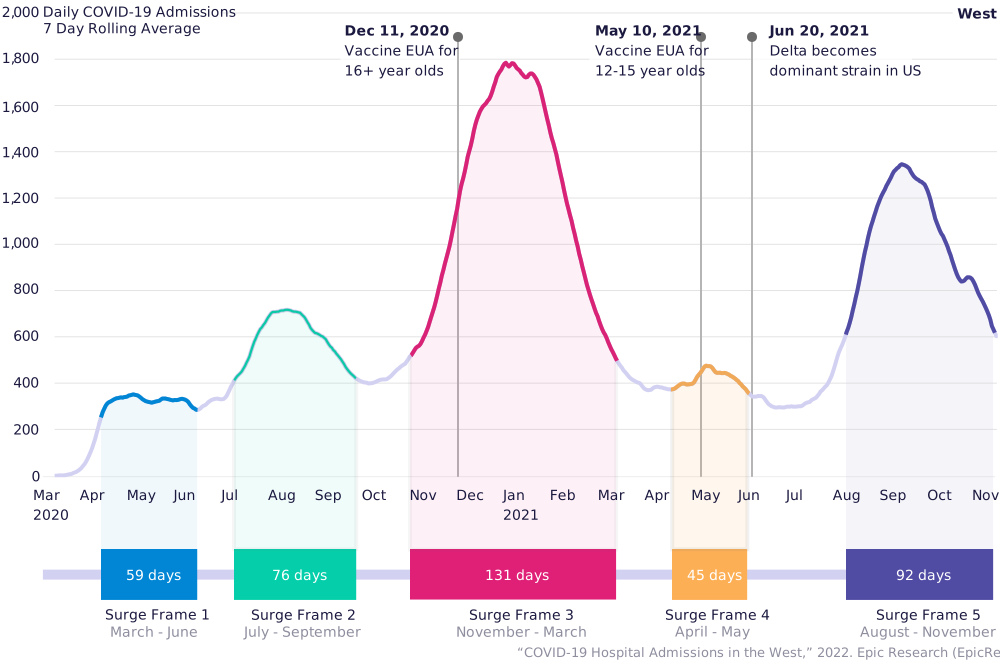
The third and fifth surges were both the greatest duration and magnitude in the West. The region had the lowest level of COVID hospitalization in the first surge from March 2020 to June 2020, with less than 5% of admissions, compared to nearly 18% of admissions during the third surge from November 2020 to March 2021. Like the South, the West has a lower rate of COVID vaccination than the Northeast and Midwest regions.1
While the national trends of COVID surges provide meaningful assessments of the overall pandemic, these differences in regional trends help to highlight how healthcare systems, healthcare workers, and individuals have likely experienced COVID surges differently based on their location.
