


Recent reports have indicated that adolescents and young adults, particularly males ages 12-29, who receive an mRNA COVID-19 vaccine have an increased risk of myocarditis, an inflammation of the heart muscle.1,2 In October 2021, the FDA delayed its decision on the authorization of the Moderna vaccine for adolescents due to these concerns.3 We previously studied the risk of myocarditis across 15 million patients of all ages and found that the incidence of myocarditis following the COVID-19 vaccine was not substantively different from the incidence in pre-pandemic years.4
In this study, we estimated the risk of myocarditis among patients ages 12-30 to identify trends across age, sex, and vaccine type. To determine the risk of myocarditis in this population, we looked at the following data:
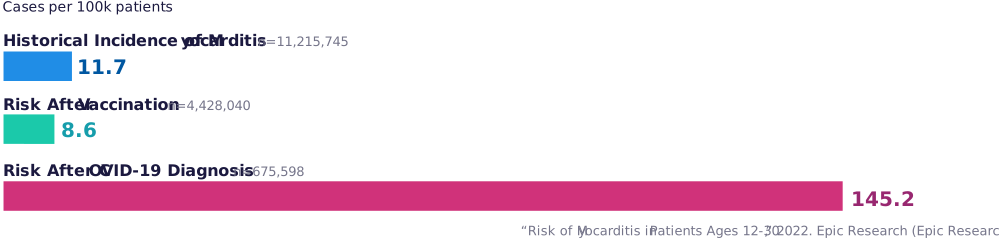
- Historical incidence. The annual incidence of myocarditis in patients ages 12-30 who had an interaction with the health system in 2019. This historical incidence is provided for reference to help put the risk after vaccination and risk after COVID-19 diagnosis into perspective. However, it should not be directly compared to the 30-day risks outlined below.
- Risk after vaccination. The 30-day incidence of a new myocarditis diagnosis following the first or second vaccination dose against COVID-19 among all patients ages 12-30 who received at least one vaccination dose between December 11, 2020, and December 20, 2021.
- Risk after COVID-19 diagnosis. The 30-day incidence of a new diagnosis of myocarditis following a diagnosis of COVID-19 among all patients ages 12-30 who had not yet received a COVID-19 vaccine between January 20, 2020, and November 21, 2021.
The data show that the risk of myocarditis following a COVID-19 diagnosis is much higher than the risk of myocarditis following a COVID-19 vaccination for all ages and sexes studied. Overall, the 30-day incidence of myocarditis following a COVID-19 diagnosis was nearly 17 times higher than the incidence among patients receiving the COVID-19 vaccine. This is consistent with CDC data.5
We also looked at the breakdown of myocarditis by sex. Consistent with what others have reported, adolescent and young adult males have a higher risk of myocarditis than females.
Additionally, we analyzed the risk based on the vaccine manufacturer. The Pfizer-BioNtech vaccine was the only vaccine authorized for use in the 12-17 age group during the study period, so it was the only one we considered for that age group in this analysis. For the 18-30 age group, which had all three vaccines authorized for use, incidents of myocarditis were similar across vaccine manufacturers.
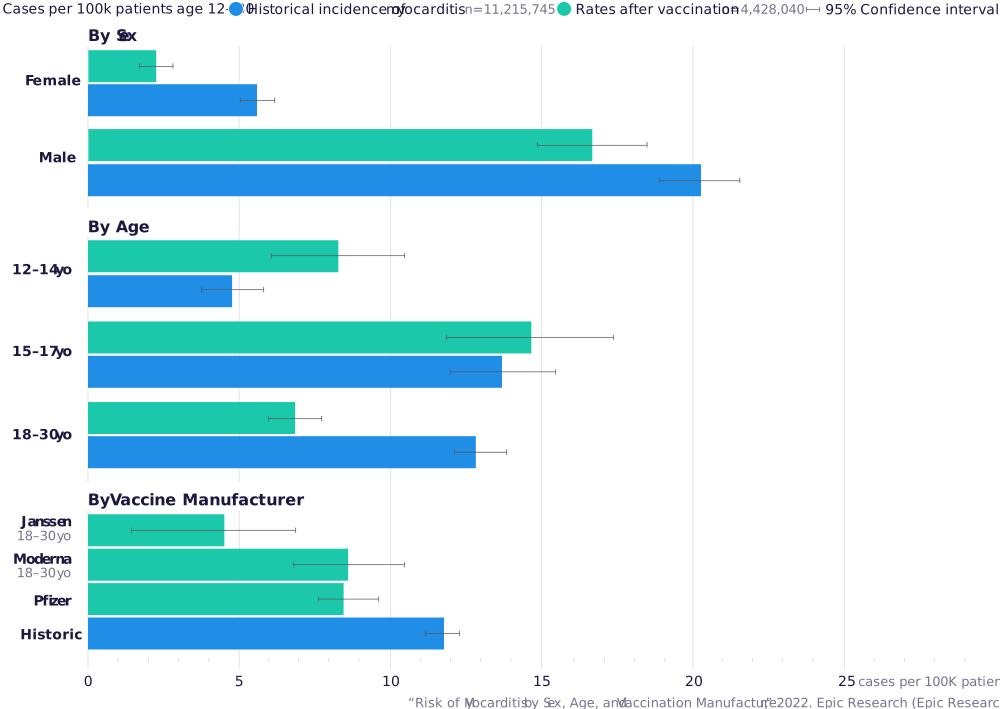
We found the 30-day risk of myocarditis was less than the one-year historical incidence across all three vaccine manufacturers when considering all ages and sexes. When evaluating different combinations of sex, age, and manufacturer, out of the 364,249 male patients aged 18-30 who received Moderna, 73 had myocarditis, which is approximately 20 cases per 100,000. This is significantly higher than other combinations of sex, manufacturer, and age and corroborates the Danish finding of increased risk in this group.6 However, the risk of myocarditis after vaccination remains significantly less than the risk of myocarditis after a COVID infection.
