
When a patient comes to the emergency department for a drug overdose or poisoning, toxicology testing panels are used to identify which drugs are in a patient’s system. These tests can inform treatment and track public health trends related to illicit drug use. Common substances typically included in routine toxicology screens are amphetamines, barbiturates, benzodiazepines, cocaine, cannabis, phencyclidine, and opiates, such as morphine. However, in recent years, there has been an 18-fold increase in overdose deaths related to synthetic opioids, like fentanyl, which is 100 times stronger than morphine.1 Because fentanyl is a synthetic opioid, it is not usually detected in routine toxicology screenings and typically must be ordered separately.2,3
We sought to better understand how often toxicology screenings are performed during overdose and poisoning ED visits and which drugs are included in those screenings. We looked at lab test results for 15 drug categories from 2017 to present day and found that opiates are consistently tested nearly half the time, with 152,845 tests done during 315,467 overdose visits. In addition, the positivity rate has decreased dramatically from 25.2% in 2018 to 13.5% in 2022. The declining trend of opiate positives, as shown in Figure 1, may reflect a transition in drug composition from heroin to fentanyl.
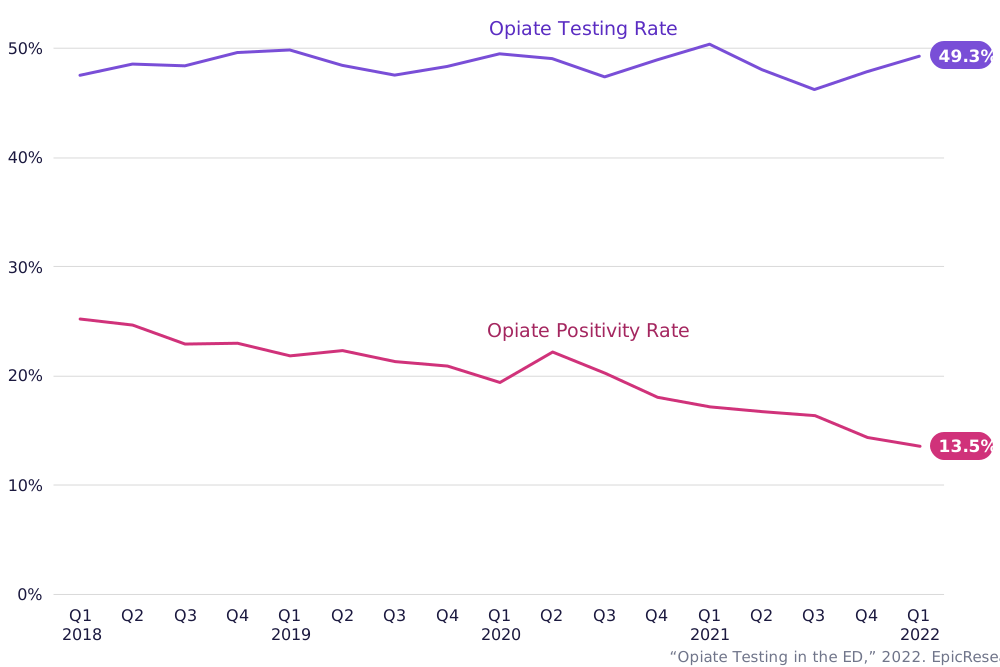
We have seen an increase in fentanyl testing in the past five years, but the drug is still only tested for in 5.1% of overdose ED visits, much less frequently than opiates. This is likely due to the exclusion of fentanyl testing in routine ED toxicology screening panels. As of the first quarter of 2022, the positivity rate of fentanyl is more than three times greater than opiates: 41.7% compared to 13.5%.
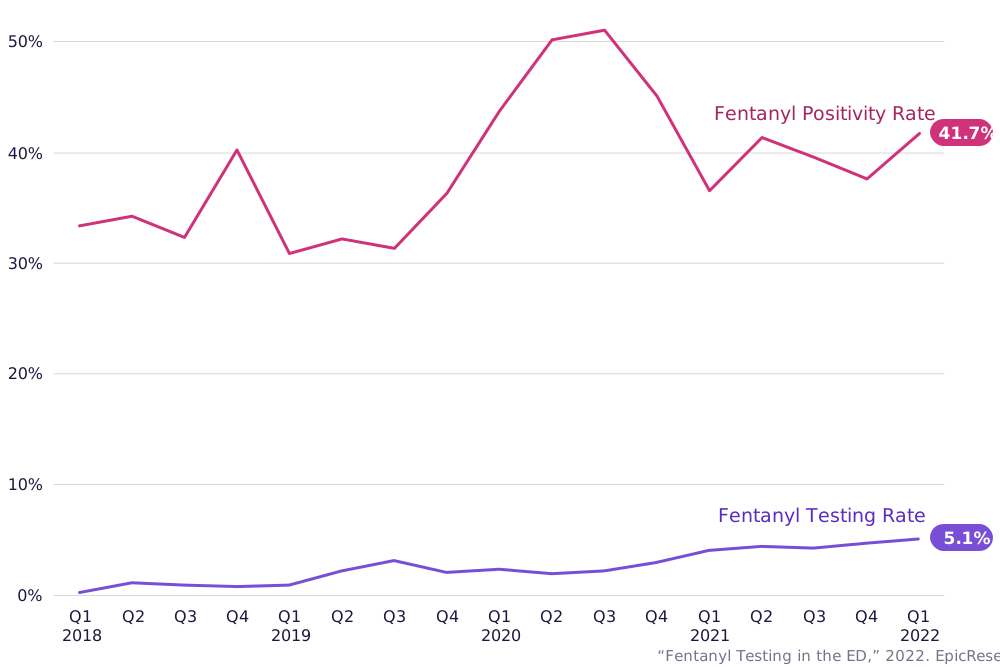
To improve tracking of drug use trends, increase identification of fentanyl use, and better support targeted drug-related treatment, emergency departments should review standard drug testing panels and consider including fentanyl testing in toxicology screening.


