


We examined 5,358,498 pediatric patient records to determine whether the patients gained more weight than expected during the COVID-19 pandemic. We found that prior to the pandemic, 23.9% of pediatric patients were above their expected weight while during the pandemic period, 33.8% of pediatric patients were above their expected weight, a 41% increase from the pre-pandemic period.
Pediatric patients are expected to gain weight following typical growth curves. We compared the expected weight gain to actual weight gain and represented the difference as a change in Z-score to normalize the measure. A change in Z-score of zero means the patient is gaining weight as expected. A negative Z-score change means a patient has gained less weight than expected, and a positive Z-score change indicates greater weight gain than expected. Figure 1 shows the percentage of pediatric patients whose weight changed by a larger amount than expected, a smaller amount than expected, or the same amount as expected, based on relevant CDC growth curve data sets.
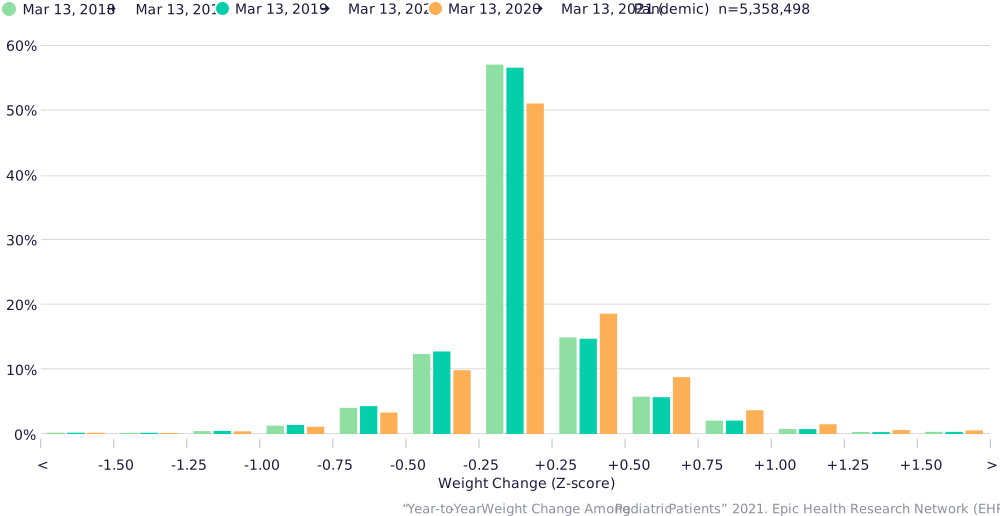
We found nearly 1 in 10 pediatric patients gained more weight than expected during the pandemic compared to the year prior. This differs from what we found for adults, who were equally likely to gain or lose weight during the pandemic.1
