


To evaluate the impact of comorbidities on the risk of developing post-COVID syndrome, also known as long COVID,1 we studied patients who had a single COVID-19 infection and sought care for symptoms that are commonly reported for patients with long COVID.2 As symptoms associated with long COVID are fairly common with other illness, we calculated how frequently patients sought care for a new symptom between 28 and 180 days before their COVID-19 illness in comparison with how frequently those same patients sought care for a new symptom between 28 days and 180 days after. The difference between these rates represents long-term symptoms that may be associated with COVID-19 infection.
We first looked to see how having diabetes, hypertension, obesity, cancer, chronic kidney disease, mood disorders, heart disease, lung disease, or using substances or tobacco compared to having none of the studied comorbidities. We found that patients with no comorbidities sought care for symptoms associated with long-COVID 2.0% of the time before COVID-19 infection and 4.4% after COVID, a 2.4 percentage point change. Patients with one or more of the studied comorbidities demonstrated a before COVID baseline rate of 7.6% and an after COVID rate of 9.9%, a 2.3 percentage point change.
We then studied whether patients with specific comorbidities had a higher likelihood of long COVID symptoms. Patients with diabetes, hypertension, or obesity were found to have slightly higher increases in prevalence of symptoms after COVID-19 infection than before infection with increases of 2.8 percentage points, 2.7 percentage points, and 2.6 percentage points respectively.
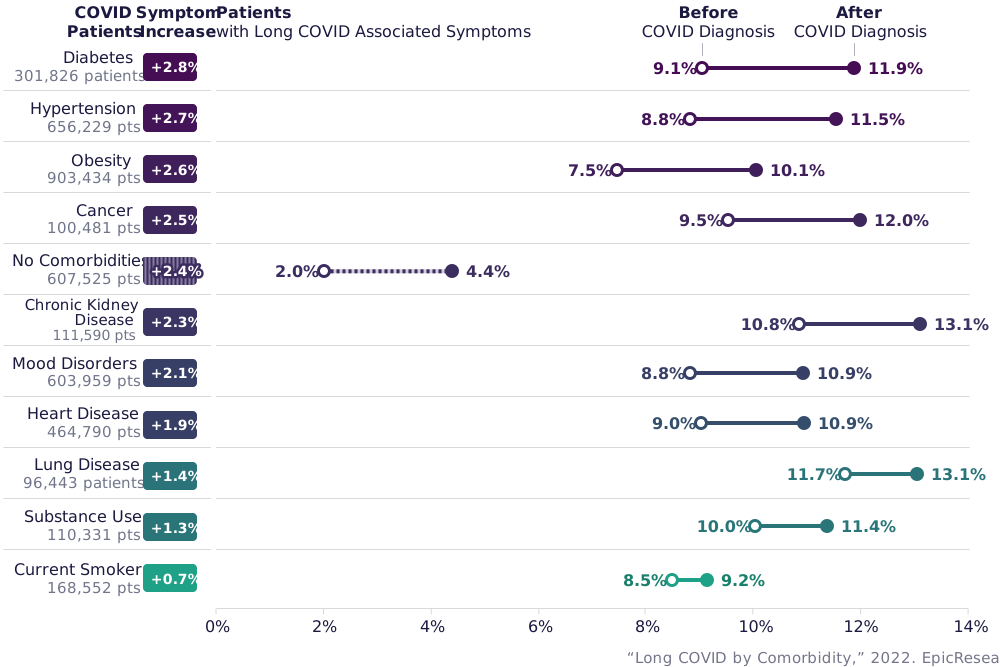
Figure 1. Percentage of patients seeking care for a new symptom associated with long COVID between 180 and 28 days before and between 28 days and 180 days after their COVID-19 infection. The symptom increase percentage represents the difference between these rates which represents new symptoms post-infection that may be attributed to long COVID. Those with the greatest increases are at the top of the figure.
While the change in rates is similar between patients with the studied comorbidities and those without, the before COVID rates are much higher among patients with any of the studied comorbidities. This indicates that patients with any of these comorbidities are more likely to present with long-COVID-like symptoms than those without. It might not be possible for patients or physicians to determine whether a new symptom is caused by comorbidity, long COVID, or some combination of the two. These findings suggest that patients and physicians should consider the role of any underlying health conditions when evaluating treatment options for long COVID.
