


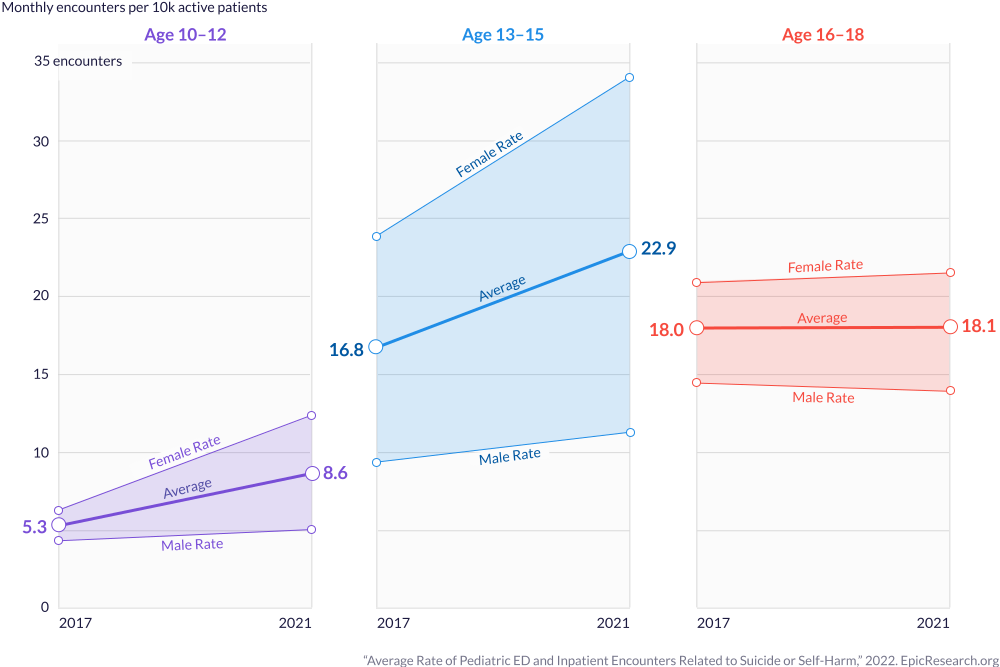
Suicide is the second leading cause of death in the U.S. for 10- to 17-year-olds,1 and the youth suicide rate increased 56% between 2007 and 2017.2 Our data show that this trend has continued through 2021 as pediatric suicide and self-harm encounters in the emergency department and hospital increased for all age groups.
From 2017 to 2021, the rate of suicide or self-harm related encounters increased by 30% across 10- to 18-year-olds – from 13.7 encounters per 10,000 patients to 17.8 per 10,000. For 13- to 15-year-olds, that rate increased 60% over the same period. Females accounted for more than three times the rate when compared to male 13- to 15-year-olds, which is consistent with other data.3,4,5
According to Michael Kane, MD, a child and adolescent psychiatrist at the University of North Carolina Healthcare System, unfortunately, these findings are not surprising. The isolation and lack of typical school supports during the pandemic likely contributed to the increase in mental health crises. However, several best practices are available to better support adolescent mental health.
Universal screening for pediatric mental health across disciplines is vital to early identification and prevention, as well as connecting patients and their families to appropriate behavioral health resources.6 Pediatric clinicians can also facilitate family discussions through the HELP mnemonic established by the American Academy of Pediatrics Task Force on Mental Health.6 Mental health providers should work with struggling patients, their families, and their clinicians to develop a patient safety plan prior to a crisis, which can help mitigate the risk of self-harm or suicide attempts.7
