Previous studies have shown that pregnant women with COVID-19 are at greater risk of having a premature birth than those without COVID-19.1 We previously studied neonatal outcomes related to COVID-19.2 Now that more time has passed and more COVID-19 positive women have given birth, we re-examined neonatal outcomes of babies who were born during the pandemic.
Our data include 228,265 women who gave birth between March 15, 2020 and March 26, 2021. Of these, 39,973 (17.5%) tested negative for COVID-19, 6,308 (2.8%) tested positive for or were diagnosed with COVID-19, and 181,984 (79.7%) were untested. 10.5% of babies born to COVID-19 positive mothers (positive test during any trimester) were preterm compared to 6.8% of babies born to COVID-19 negative mothers. 7.1% of babies born to COVID-19 positive mothers had low birth weight compared to 5.8% of babies born to COVID-19 negative mothers. Babies born to mothers who were not tested for COVID-19 had a similar rate of being born preterm (10.0%) and with low birth weight (7.6%) to babies born to COVID-19 positive mothers.
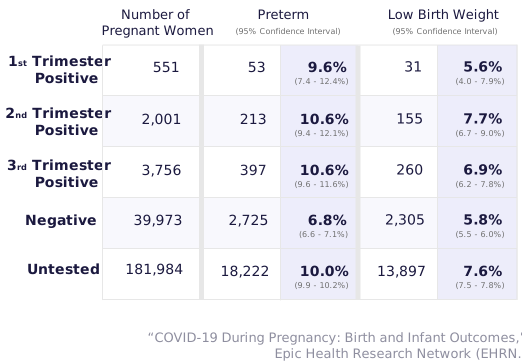
Based on previous studies, we expected to see higher rates of preterm birth and low birth weight in COVID-19 positive mothers. However, we did not expect the untested mothers to have similar rates to those who tested positive. The difference in rates between negative and untested mothers suggest other factors may contribute to the difference in outcomes. Tested patients may have gotten prenatal care more frequently, may have had easier access to testing, or may have been more closely monitored than those who were not tested. Untested mothers may have refused testing as well as other medical advice.


