A pregnant patient’s body mass index (BMI) can affect the risk of complications for both the patient and the baby.1 We reviewed EHR data for more than 900,000 pregnancies that had pre-pregnancy BMI data to identify rates of certain delivery, prenatal, and postpartum complications.
Figure 1 shows rates of cesarean section, preterm delivery, and low birth weight. Rates of cesarean section increase steadily as maternal BMI increases, while rates of preterm delivery and low birth weight are more variable across different BMI groups. Compared to patients with a healthy BMI (18.5-24.9), patients with a BMI of 40 or greater have more than double (120%) the rate of cesarean section, a 45% increase in the rate of preterm delivery, and a 0.3% decrease in the rate of low birth weight.
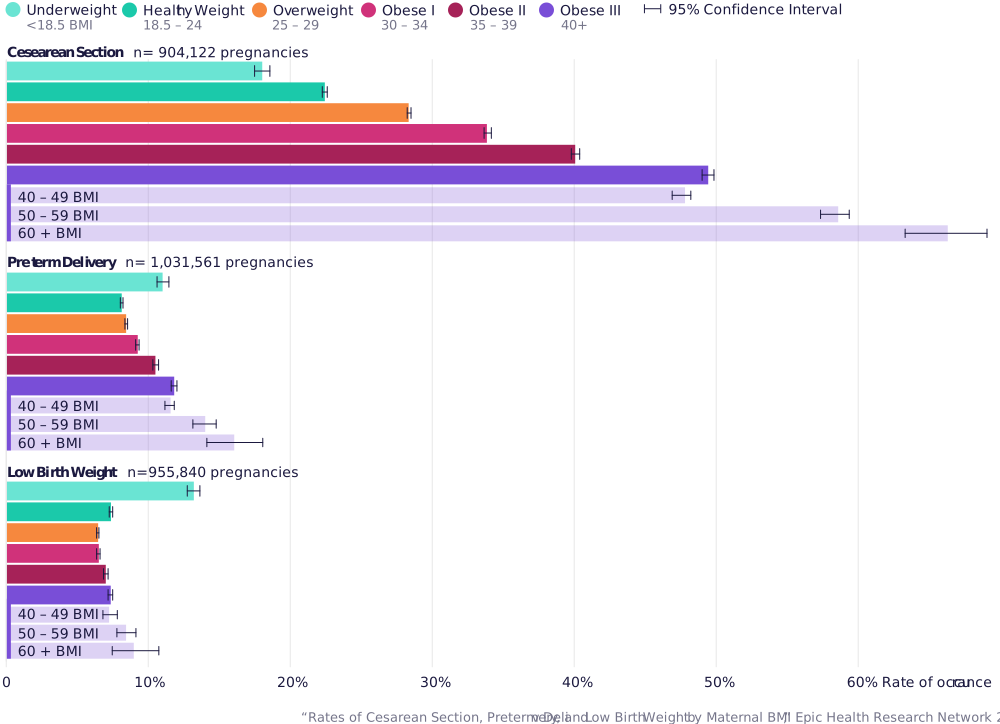
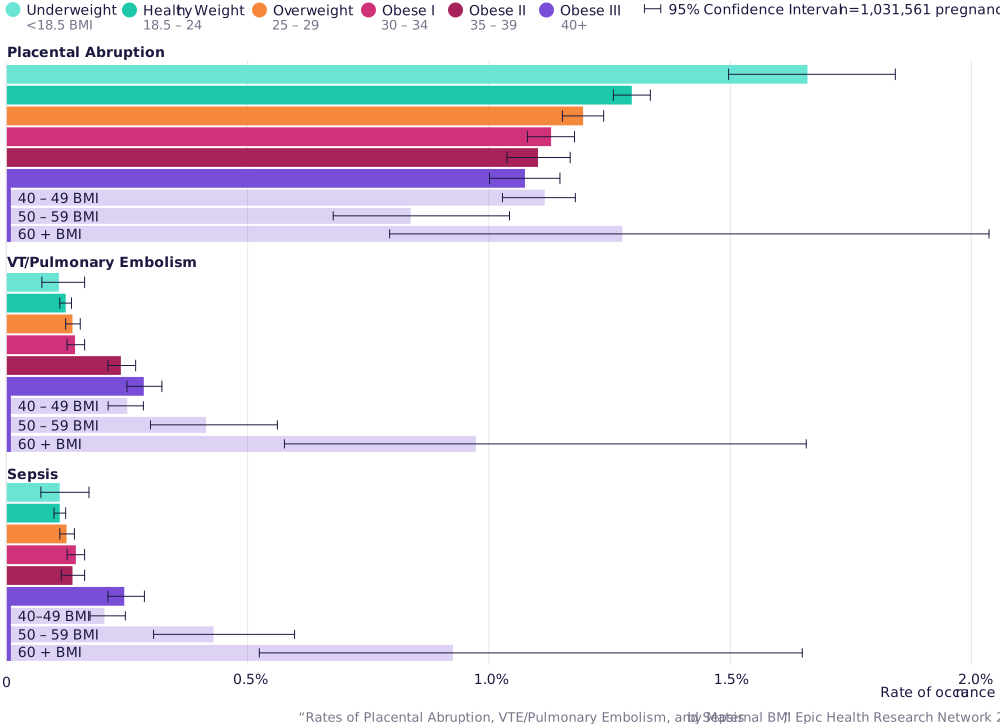
Figure 2 shows rates of placental abruption, venous thromboembolism (VTE) or pulmonary embolism, and sepsis. Rates of placental abruption decrease as BMI increases while rates of venous thromboembolism (VTE) or pulmonary embolism and sepsis increase as BMI increases. Compared to patients with a healthy BMI (18.5-24.9), patients with a BMI of 40 or greater have a 17% decrease in the rate of placental abruption, a 131% increase in the rate of VTE or pulmonary embolism, and a 121% increase in the rate of sepsis.
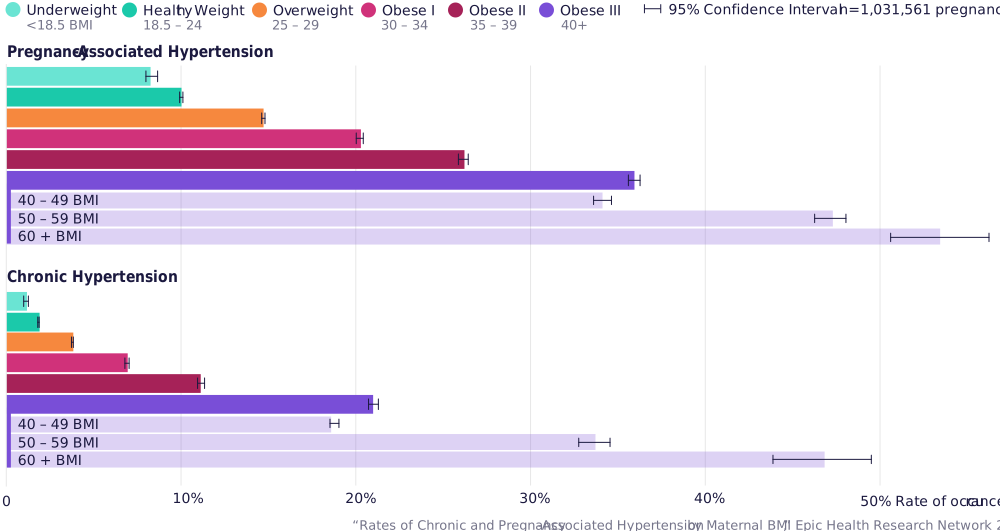
Rates of chronic hypertension diagnosed during pregnancy and pregnancy-associated hypertension (gestational hypertension, preeclampsia, HELLP syndrome, or eclampsia) also increase as BMI increases, as shown in Figure 3. Compared to patients with a healthy BMI (18.5-24.9), patients with a BMI of 40 or greater have more than 10 times (1,012% increase) the rate of chronic hypertension and a 258% increase in the rate of pregnancy-associated hypertension.
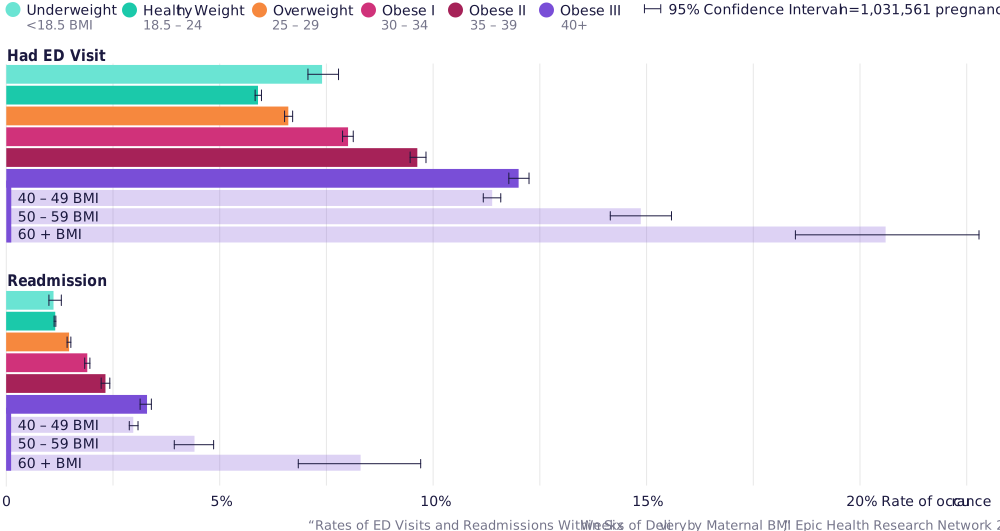
Finally, Figure 4 shows the rates of patients who had an ED visit or were readmitted to the hospital up to six weeks after they were discharged from the hospital for their delivery admission. Compared to patients with a healthy BMI (18.5-24.9), patients with a BMI of 40 or greater have a 103% increase in the rate of ED visits and a 187% increase in the rate of readmissions. We recognize that there can be confounding factors, such as previous pregnancies, that result in a patient’s ED visit or readmission that are not related to their recent pregnancy and are not accounted for in these data.