


To investigate potential impacts of the COVID-19 pandemic on influenza, we compared the number of confirmed influenza cases from October 2020 to January 2021 to the same period of the past four years, starting with the 2016-2017 season. Out of the 7,336,345 influenza tests performed since October 2016, 569,571 were positive. Between October and January of the last four flu seasons (2016-2020), an average of 61,373 cases were confirmed per season. The 2019-2020 flu season had the highest number of influenza cases with 101,467, while the 2020-2021 season had 2,243 confirmed cases, a 97.8% decline from the 2019-2020 season, and a 96.3% decline from the 2016-2020 seasonal average.
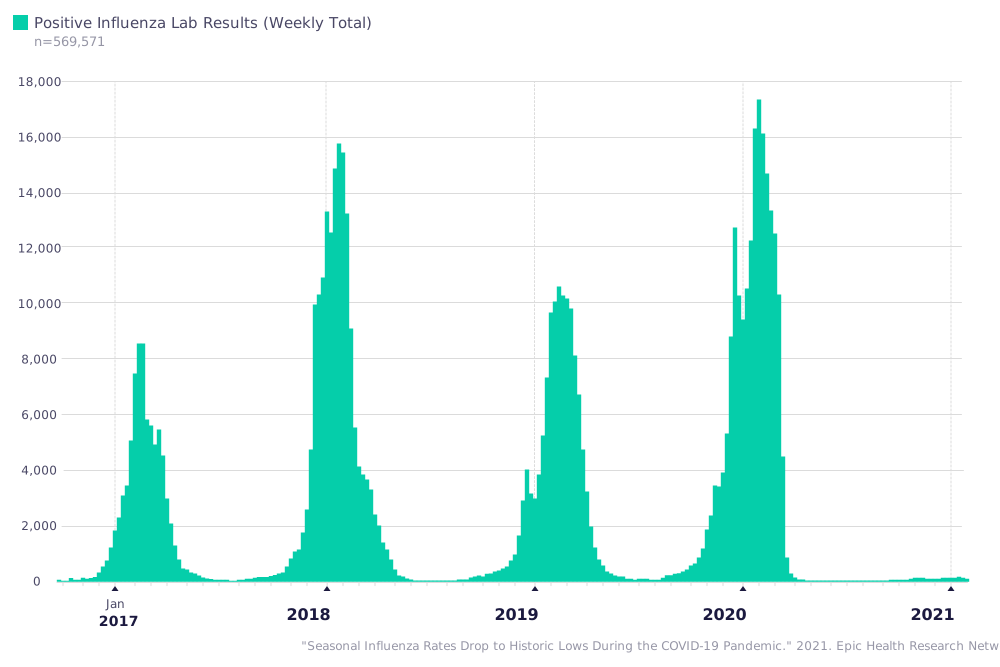
Though we found fewer patients were tested during the pandemic (550,133 patients were tested in the 2020-2021 season compared to an average of 1,696,553 patients over the previous four seasons), the test positivity rate also decreased in the 2020-2021 flu season compared to previous years from an average of 8.1% to 0.45%. This suggests the decrease in influenza cases is not entirely due to reduced testing volumes.
In addition to the significant decrease in cases, we similarly saw a decline in influenza-related hospitalizations in 2020-2021. The number of hospitalizations in the 2020-2021 season dropped 93.7% from the previous season and dropped 92.7% from the 2016-2020 seasonal average, with only 850 admissions from October 2020 to January 2021.
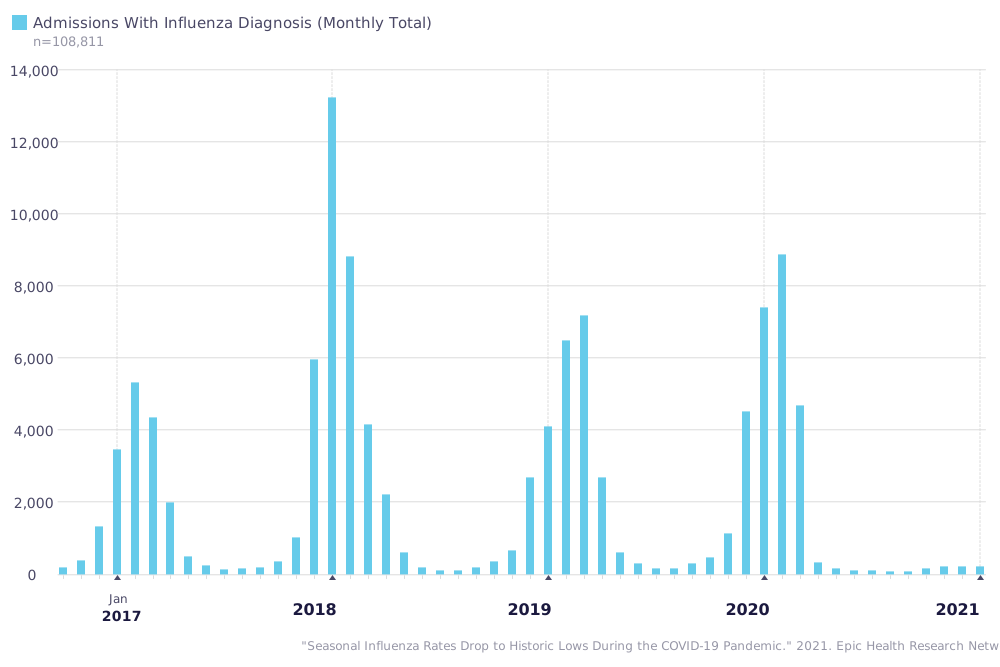
These findings align with the CDC-reported reductions in influenza cases and hospitalizations and show the COVID-19 pandemic coincided with significant decreases in confirmed cases.1,2 Prior to the start of the 2020-2021 flu season, public health experts were concerned about an additional burden on healthcare systems with both COVID-19 and influenza cases happening simultaneously. Based on our findings, this concern did not materialize.
Since the influenza positivity rate also decreased, the significant drop in influenza cases and hospitalizations suggest the enhanced infection prevention measures in place to combat COVID-19, such as face masks, social distancing, and limits on gatherings, might have played a role in the decline. Public health agencies might encourage more voluntary precautions like these during future flu seasons to keep influenza cases low.
