


Previous studies have shown that cancer screening rates dropped at the start of the COVID-19 pandemic.1,2 The primary concern about this drop was that early cancer diagnoses might be missed, leading to a rise in rates of more advanced cancers. To evaluate the degree to which this might be true, we studied two related questions:
Following the drop of cancer screenings in the early pandemic:
- Was there an increase in the number of cancer diagnoses?
- Was there an increase in advanced or severe cancers?
We evaluated 373,574 cancer diagnoses entered in patients’ charts between January 1, 2018, and December 31, 2022. We established a pre-pandemic baseline period from January 1, 2018, through December 31, 2019, and compared weekly diagnosis rates for the study period to that baseline.
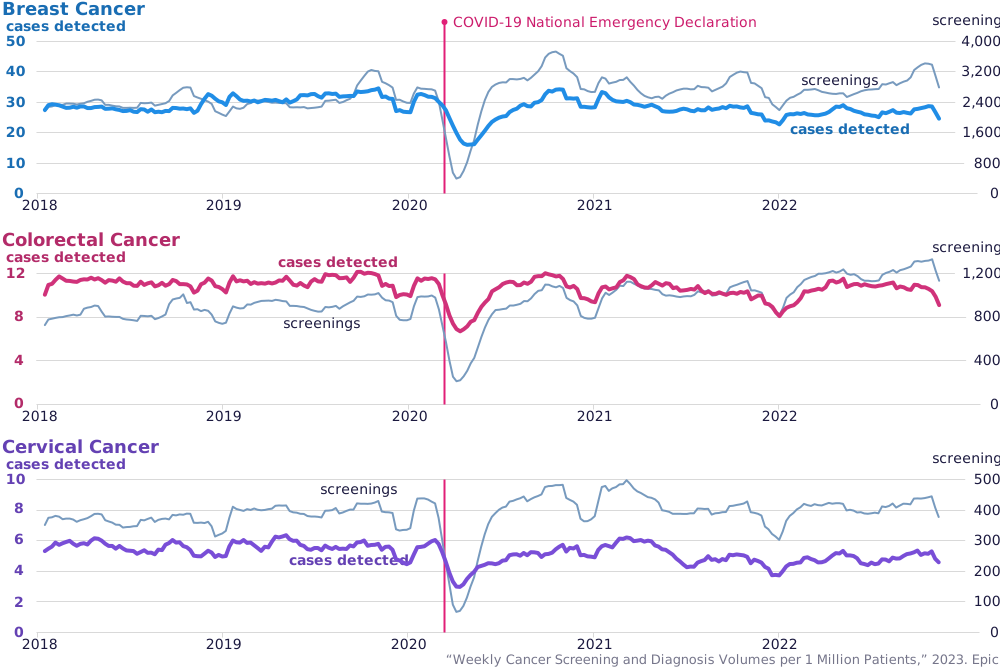
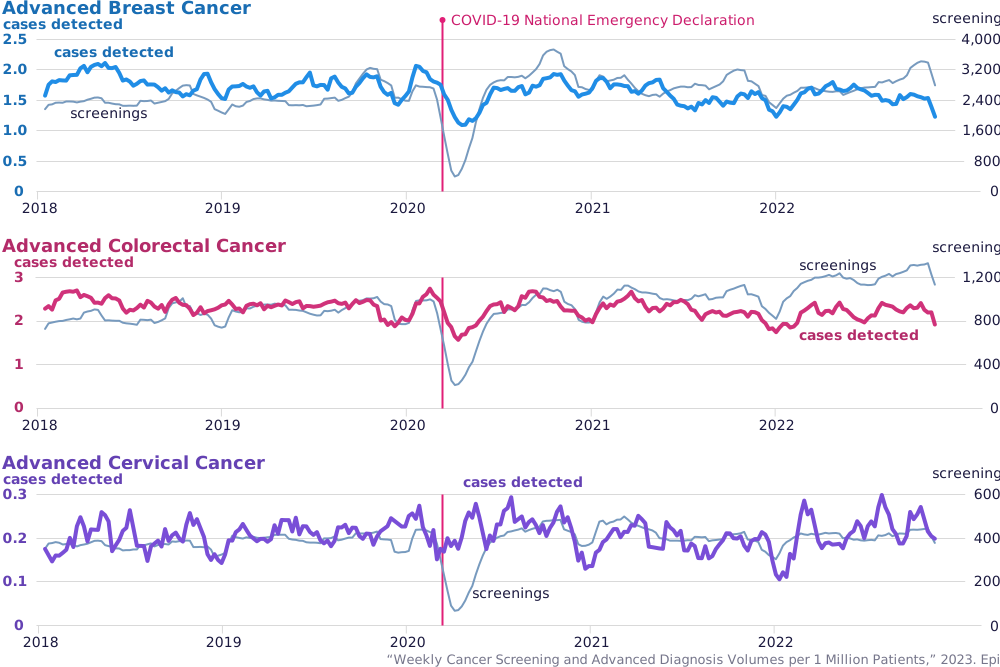
There was a clear drop in cancer cases early in the pandemic, correlated with the decrease in screening. However, as screening rates returned to normal, cancer detection rates did as well. There was not a significant increase in the rate of cancer diagnoses in 2020-2022 as compared to pre-pandemic, as shown in Figure 1. Not only did rates of cancer diagnoses not rise significantly, but new diagnoses of advanced cancers also didn’t rise, as shown in Figure 2.
While our data does not show an increase in advanced cancers, it might take years to fully realize the impact of missed screenings, especially for cancers with longer recommended intervals between screenings.
