Epic Research is not viewable using Internet Explorer. Please try accessing it with an alternate browser.
Displaying 301-312 of 312 Articles

All Articles

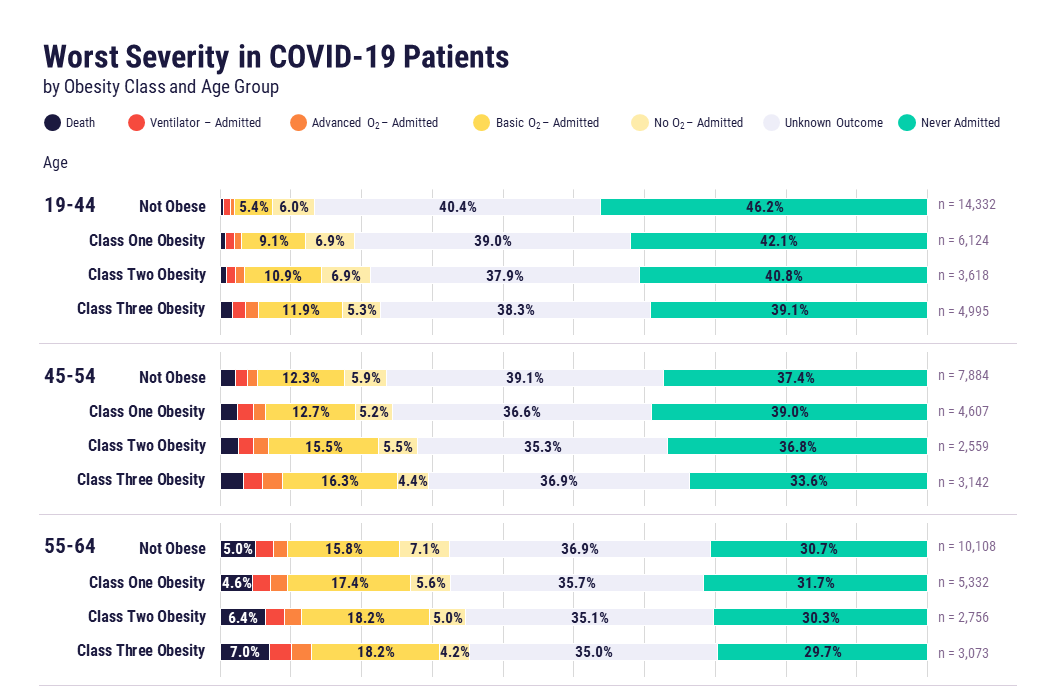
Worst severity in COVID-19 patients by obesity class and age groupExpand
May 8, 2020

Obesity and COVID-19 Severity

Severe obesity, defined as having a body mass index (BMI) of 40 kg/m2 or higher, has been identified by the CDC as a risk factor for more severe COVID-19 illness. This brief examines the relationship between obesity and severity of illness for adult COVID-19 positive patients. In this sample of 119,582 COVID-19 positive patients, 79% have a BMI documented in their electronic medical record…

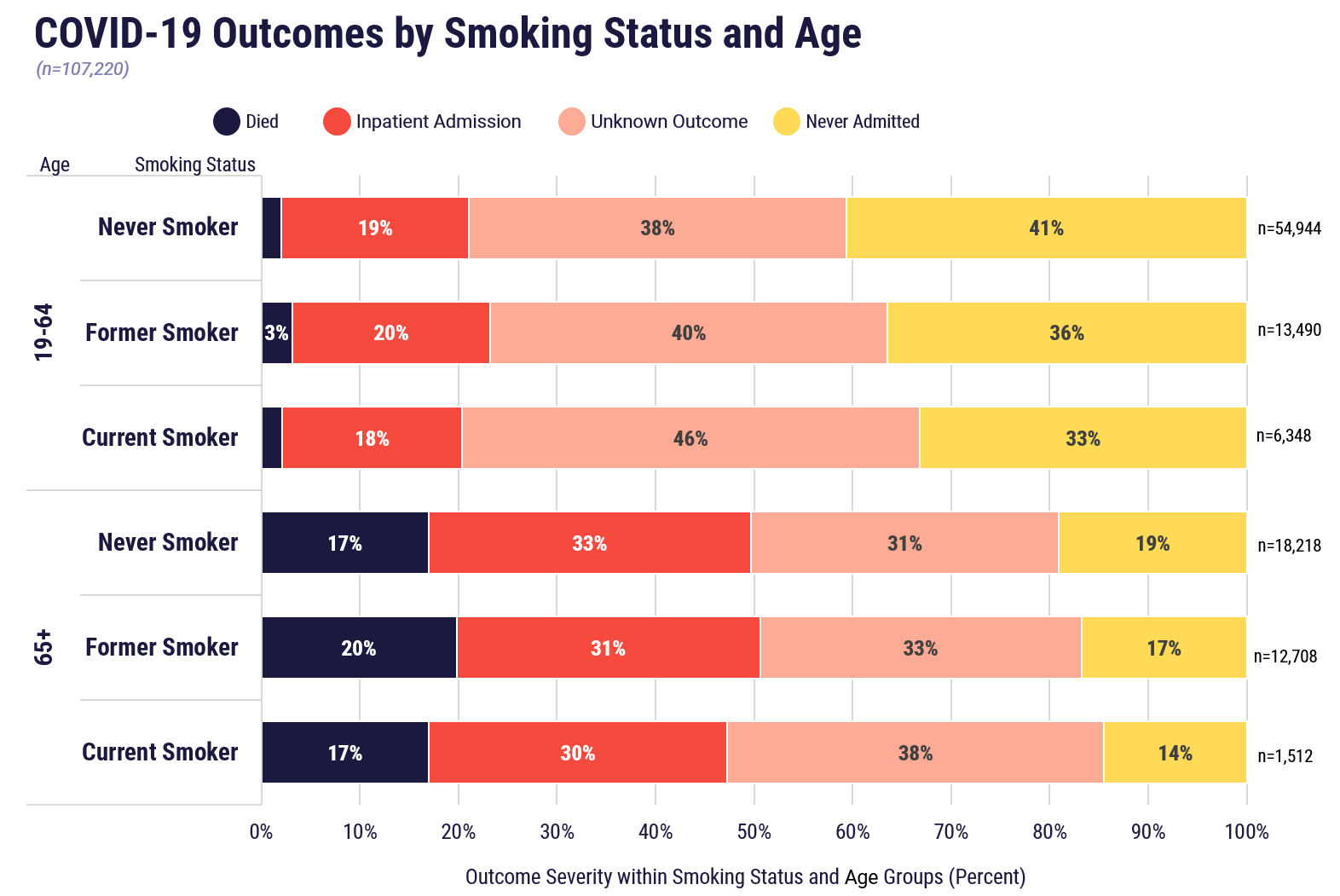
COVID-19 outcomes by smoking status and ageExpand
May 7, 2020

COVID-19 Severity by Smoking Status

There has been recent conversation about the role that smoking status may play in severity of COVID-19 disease. To investigate this role, we examined the relationship between smoking status, as documented in the electronic health record, and general outcome severity of COVID-19 in a large national cohort of adult COVID-19 positive patients…

A preliminary case series at Mt. Sinai studies the use of anticoagulation therapies for COVID-19Expand
May 5, 2020

Mount Sinai Studies COVID-19 and Blood Clots

Physicians at Mount Sinai are exploring new avenues of clinical investigation, based on the beneficial response of patients to tPA in a small, preliminary case series. Use of tPA, short for tissue plasminogen activator, is common in emergencies such as ischemic stroke, pulmonary embolism, and other dangerous situations where its clot-busting clinical benefits outweigh the risks…

Telehealth use during COVID-19 pandemic: Percent of visits management with telehealth (vs office visit) from March 15, 2020, to April 14, 2020Expand
May 5, 2020

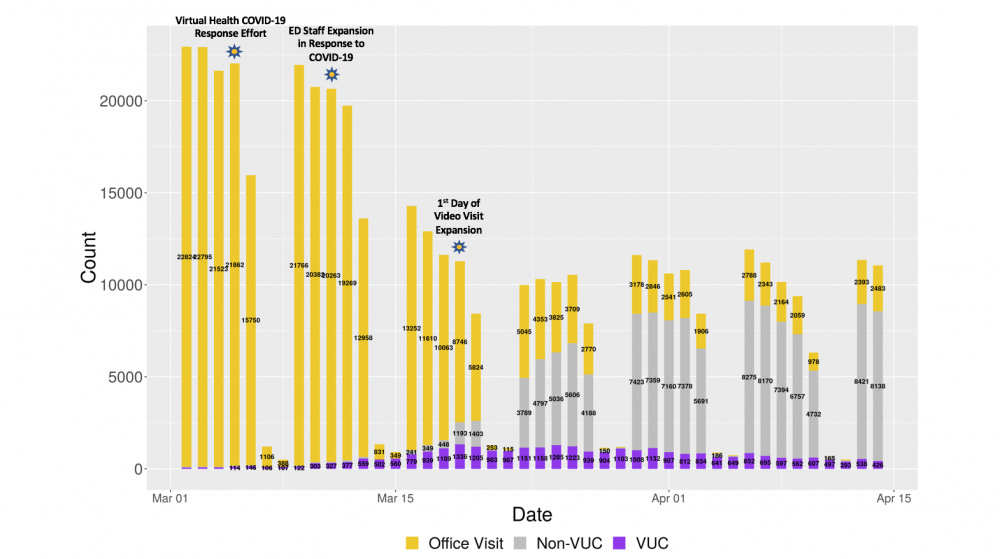
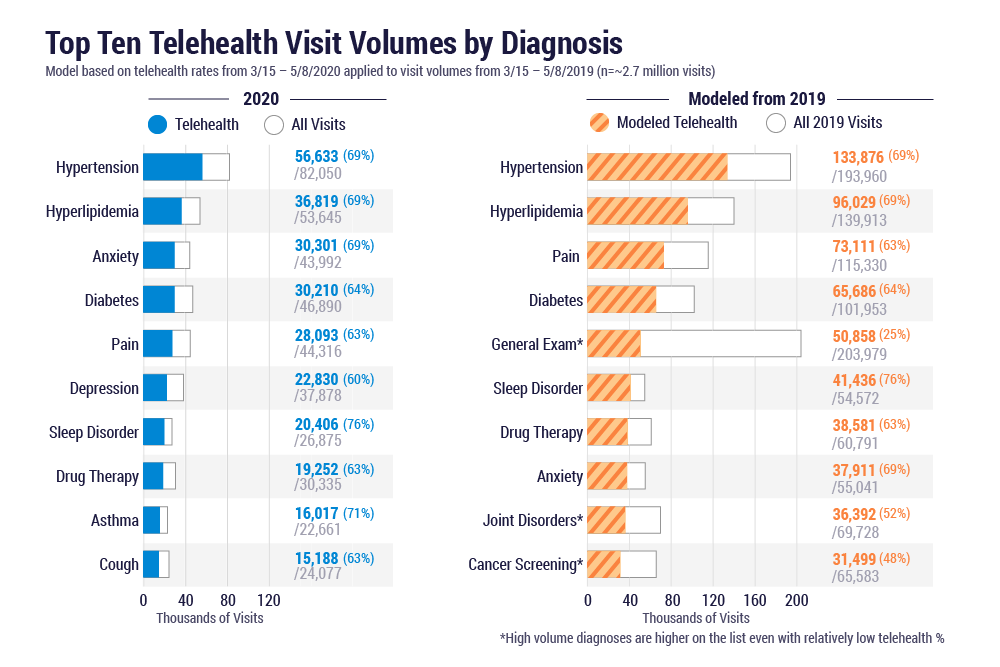
Expansion of Telehealth During COVID-19 Pandemic

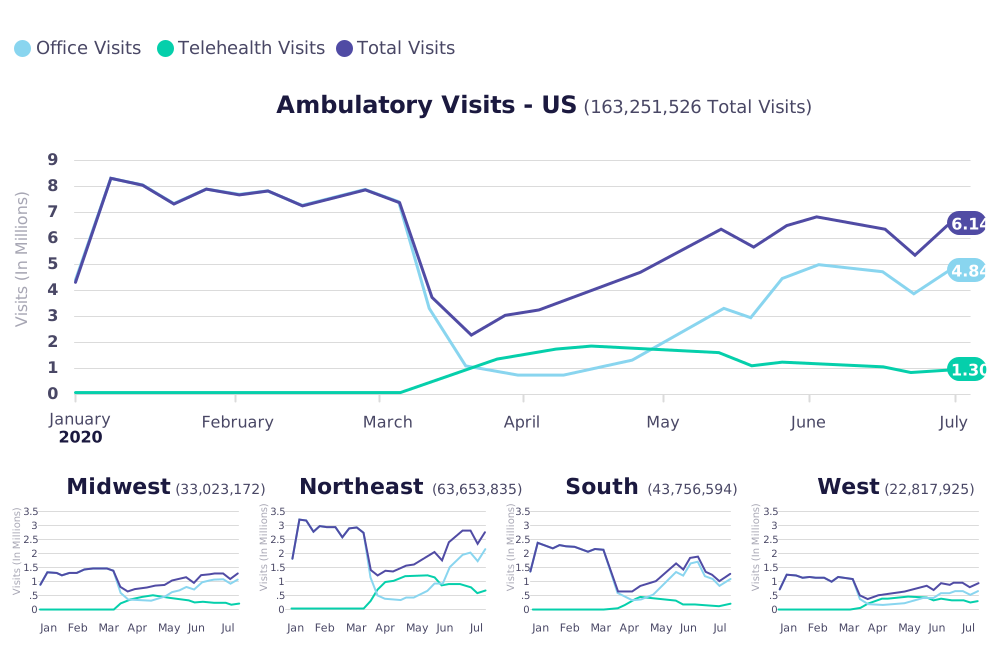
With many states issuing stay-at-home orders, healthcare organizations have decreased in-person office visits and increased telehealth visits. We found that telehealth visits increased 300-fold in this timeframe in 2020, and adoption of telehealth was consistent across adult age groups…

Prevalence of Comorbidities in COVID-19 Related Hospitalizations and DeathsExpand
May 4, 2020

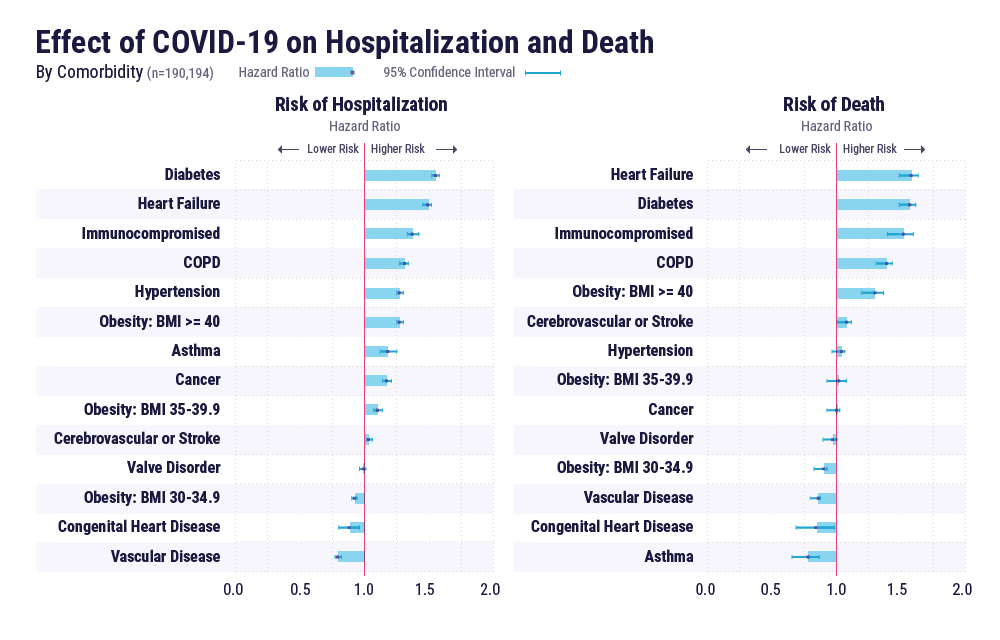
Prevalence of Comorbidities in COVID-19 Related Hospitalizations and Deaths

COVID-19 hospitalization and mortality information were assessed in a sample of 36 million active patients.1 Nearly 10 million of those patients have documented hypertension, diabetes, chronic obstructive pulmonary disease (COPD), or moderate/severe asthma as of April 30, 2020. The summarized data were contributed by 31 health systems (300 hospitals) across 18 states. Table 1 shows…

Cancer screenings in the U.S. - Mean weekly screening volume for breast, colon, and cervical cancerExpand
May 4, 2020

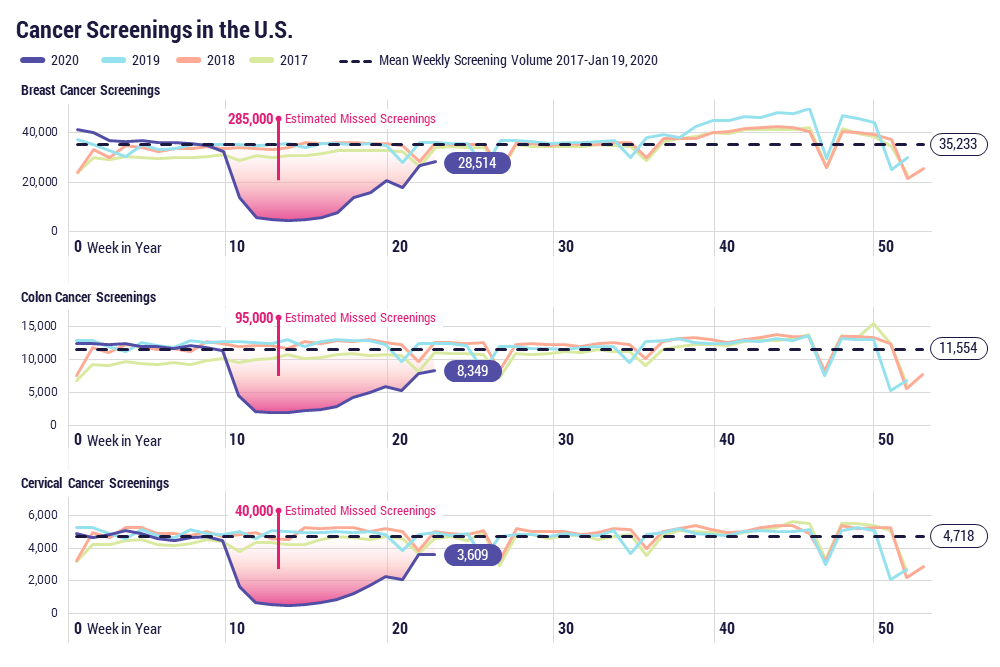
Delayed Cancer Screenings

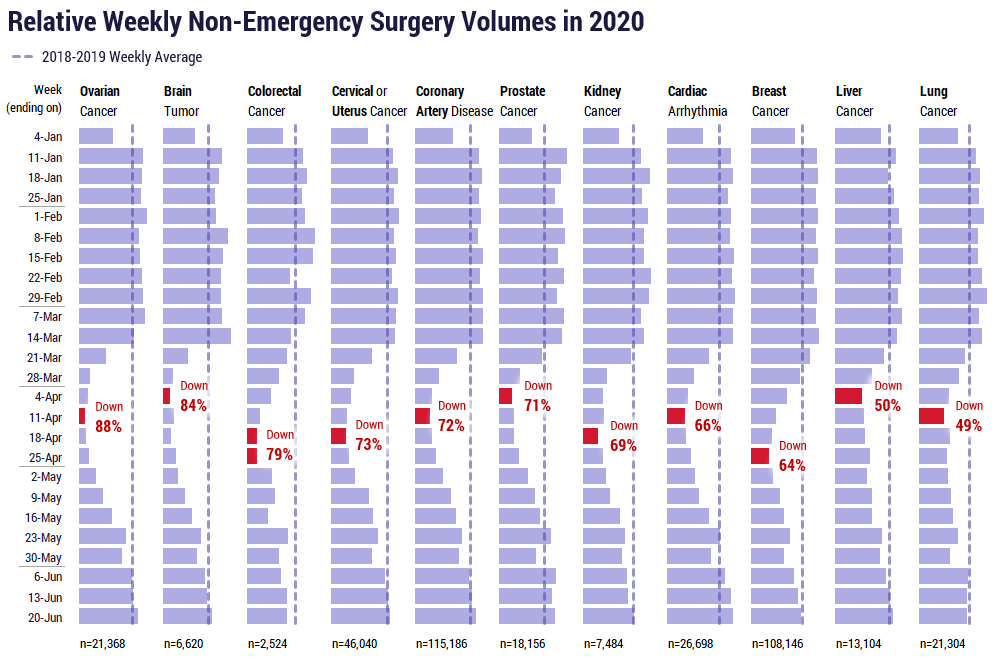
EHR data show a recent abrupt drop – between 86% and 94% – in preventive cancer screenings performed across the United States, presumably due to access disruptions caused by COVID-19. The data set includes 2.7 million patient records from 39 organizations that represent 190 hospitals spanning 23 states. If the trend continues, the data suggest that many cancer cases could go undiagnosed or be diagnosed at a later stage with a poorer prognosis…

Ochsner in LouisianaExpand
May 1, 2020

Learning from New Orleans’ COVID-19 Gene Sequence

Researchers from Ochsner and local lab BioInfoExperts have sequenced the genetic code of samples from their COVID-19 patients to learn more about the virus’s spread in Louisiana and how it continues to evolve. New Orleans has not only some of the highest per-capita rates of COVID-19 infection, but also a high rate of underlying health illness in the population…

Prior Outpatient Medications and Subsequent COVID-19 Positive StatusExpand
May 1, 2020

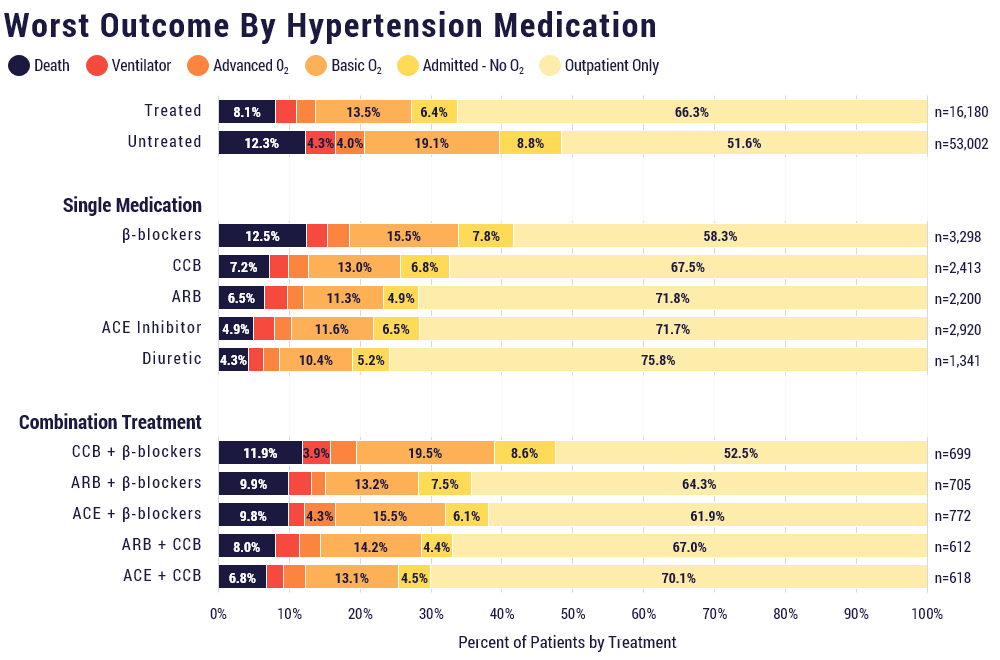
Prior Outpatient Medications and Subsequent COVID-19 Positive Status

As the COVID-19 pandemic sweeps the globe, there is a rush to find medications that, if taken before COVID-19 is acquired, may be protective against infection. Clinical trials are currently examining drugs in many different classes. Figure 1 shows the percentage of patients who acquire COVID-19 after taking each medication chronically…

Cleveland Clinic Miller Family PavillionExpand
April 29, 2020

COVID-19 Home Monitoring: The Role of Technology

Story contributed by Cleveland Clinic. Never before has the need to leverage technology for population health management been more apparent. With the outbreak of COVID-19, consistent outreach and prompt intervention are necessary to prevent negative outcomes. Although patients with COVID-19 often experience mild symptoms, deterioration can be rapid, even in patients considered low risk. That’s why, in March, Cleveland Clinic developed and implemented a COVID-19 home monitoring program with Epic. Patients are tasked with completing a daily symptom questionnaire that allows primary care teams to monitor condition changes and quickly intervene when necessary.

Genome sequencing holds clues about the progression of COVID-19 in New York City and offers hints about where to look next.Expand
April 29, 2020

NYU Langone Scientists Track Evolution of Virus

Researchers at NYU Langone have sequenced the genetic code of samples from 91 COVID-19 patients in New York City, seeking clues to its origin and evolution in this region. Early data suggest that the virus has been spreading in the city for two months, before testing started. The findings also indicate the New York City outbreak is mostly from a virus “version” that evolved in Europe. Read more about the details of the work, and the possible implications for both treatment and public health response, from NYU Langone.

Worst severity probability by prior ibuprofen prescription by age and sexExpand
April 29, 2020

Ibuprofen and COVID-19 Severity

Investigators examined whether patients who were prescribed ibuprofen before they were infected with COVID-19 showed a difference in disease severity. Patients who were prescribed ibuprofen before infection had less severe outcomes. This appeared to be the case regardless of sex or age group. We include patients in the “prescribed ibuprofen” group if they had a prescription for ibuprofen within 30 days before they were admitted for COVID-19 or within 30 days of testing positive for COVID-19 and they had at least two refills on record. Prescriptions that indicated “take as needed” and patient-reported medications were excluded. In addition, prescriptions with a […]

COVID-19 testing rates by age and sex, compared to the overall populationExpand
April 29, 2020

COVID-19 Population Characteristics: Age and Sex

Investigators examined which patient populations are most likely to be tested for COVID-19, test positive for COVID-19, and have the most severe outcomes. The analysis below includes 165,359 patients tested for COVID-19 and 66,017 COVID-19 positive patients as of April 17, 2020. Data are pooled from 22 health systems that represent 140 hospitals, spanning 11 states and covering 86 million patients. Women between the ages of 4 and 64 were slightly more likely to be tested for COVID-19 than men. Men between the ages of 19 and 84 were slightly more likely to test positive for COVID-19 than women. Men between […]