Epic Research is not viewable using Internet Explorer. Please try accessing it with an alternate browser.
Displaying 261-280 of 312 Articles

All Articles

Hospital Admissions Related to Eating Disorders in AdolescentsExpand
April 29, 2021

Increase in Adolescent Hospitalizations Related to Eating Disorders

Hospitals have expressed concern that they are seeing an increase in hospitalization of adolescents with eating disorders during the pandemic. To evaluate these concerns, we analyzed the rates of hospital admissions that included an eating disorder diagnosis and found that those increased by 25% overall for patients ages 12-18 as compared to predictions based on pre-pandemic trends. When looking at males versus females, females had a 30% increase in hospital admissions (1,326 admissions were predicted and 1,718 occurred). Admissions for males did not increase (199 admissions were predicted and 192 occurred).

COVID19 Testing and Possible ReinfectionsExpand
April 19, 2021

COVID-19 Testing and Possible Reinfections

While several cases of reinfection with SARS-CoV-2 have been reported, it remains unclear how frequently these events occur. The CDC suggests that a positive test within 90 days of initial onset of illness is more likely to represent continued viral shedding than a reinfection. Based on this, we used the time between positive COVID tests as an indication for which patients were possibly reinfected. We determined that 0.4% of patients who previously had COVID were possibly reinfected.

Weekly Total Visit Volume for Anxiety or DepressionExpand
March 25, 2021

Mental Health During the COVID-19 Pandemic

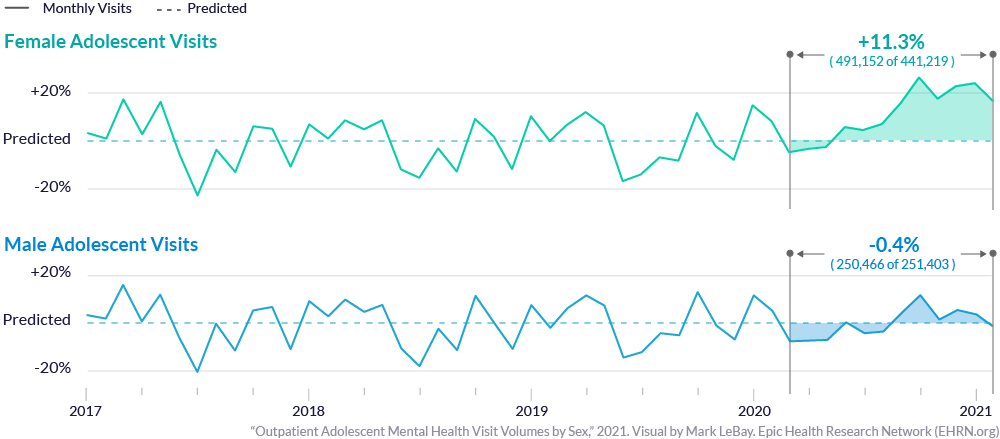
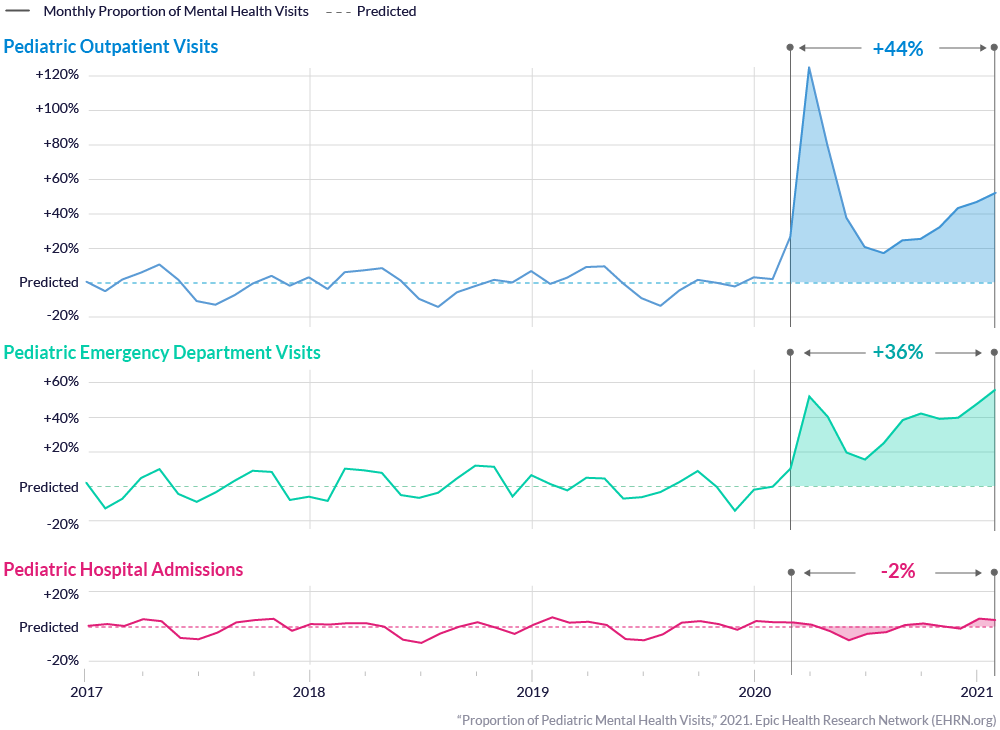
The CDC reports rates of anxiety, depression, and suicidal ideation seem to be rising during the pandemic. We wondered whether mental health visits were also on the rise. We studied whether outpatient visits for depression or anxiety and ED visits for suicidal ideation, suicide attempt, or self-harm were increasing.

COVID-19 During Pregnancy: Birth and Infant OutcomesExpand
February 25, 2021

COVID-19 During Pregnancy: Birth and Infant Outcomes

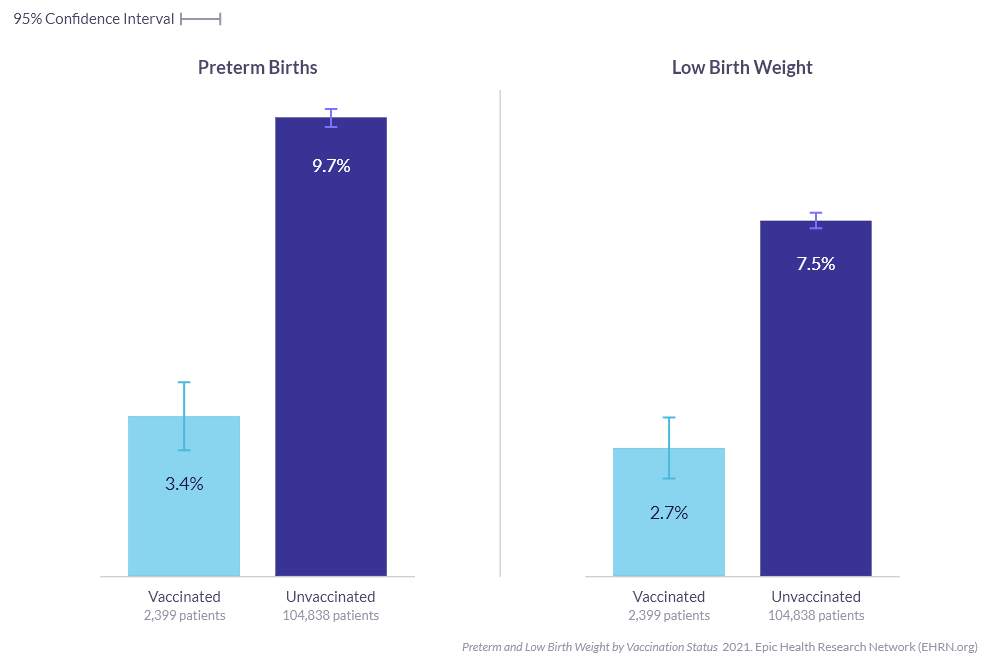
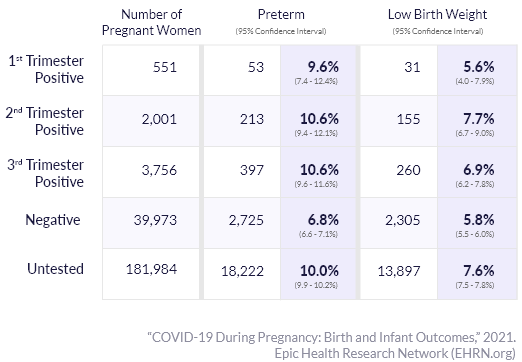
It is largely unknown how COVID-19 in pregnancy affects a newborn. To date, studies have shown varied findings and most have had small sample sizes. We studied a large population of 151,548 pregnant mothers, of whom 4,054 were COVID-19-positive at some point during their pregnancy.

Trends in Overall and Non-COVID-19 Hospital AdmissionsExpand
February 12, 2021

Trends in Overall and Non-COVID-19 Hospital Admissions

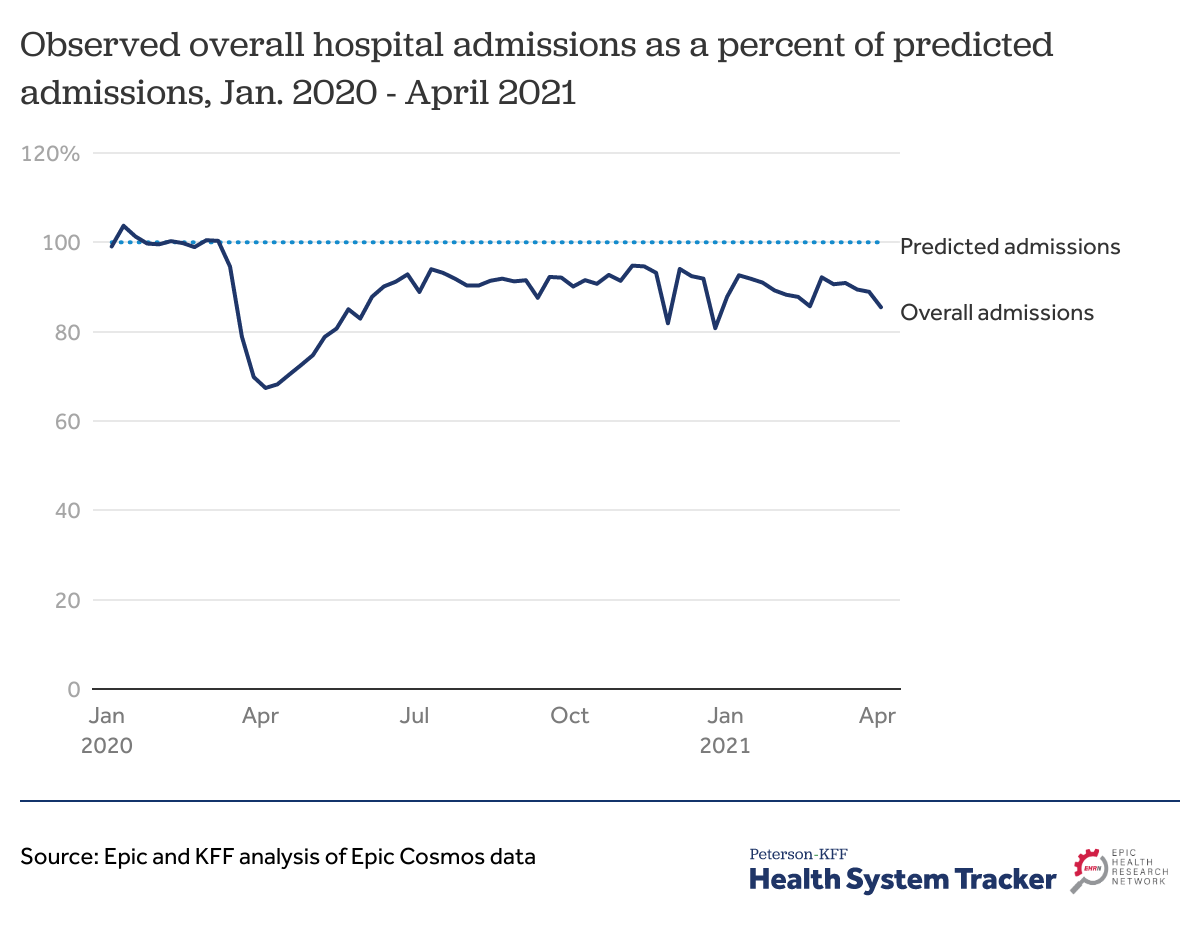
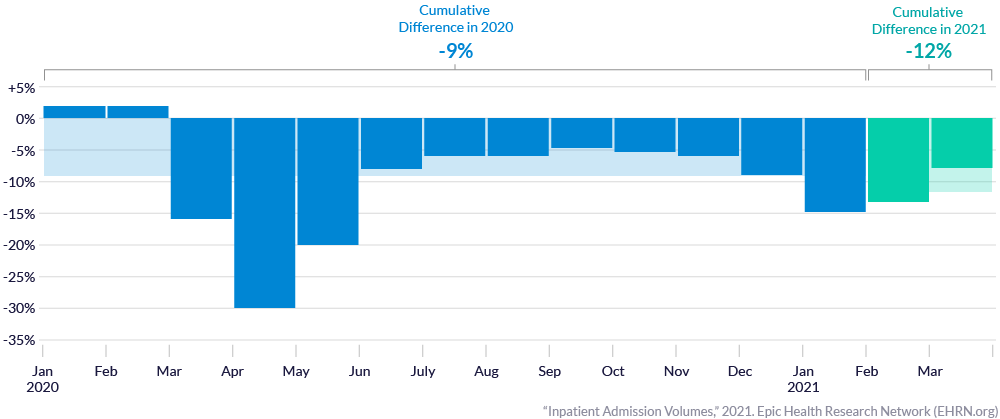
Newly available data shows that the rise in the number of new COVID-19 cases in the fall of 2020 was accompanied by a decline in non-COVID-19 hospital admissions during that time period. Our analysis includes medical records data of hospital admissions through December 5, 2020 from the Epic Health Research Network and updates an earlier paper that analyzed hospital admissions data through August 8, 2020. These new data provide additional information to help assess the economic impact of the COVID-19 pandemic on hospitals and insurers and also adds to our understanding of the extent to which people are continuing to delay or forgo care nearly one year into the pandemic.

Weekly Admission Rate From ED: Observed vs PredictedExpand
February 3, 2021

Fewer Visits, Sicker Patients: The Changing Character of Emergency Department Visits During the COVID-19 Pandemic

Research by the CDC’s National Syndromic Surveillance Program and Jeffery et al showed a substantial drop in ED visit volume at the onset of the COVID-19 pandemic. Anecdotal evidence suggested that patients with urgent conditions were not seeking care for fear of COVID-19 exposure or wanting to limit burden on the healthcare system. In our data, weekly ED visits dropped as low as 50% of predicted visit volume and have since only recovered to approximately 75% of predicted volume. While visit volume declined, the character of the remaining ED visits also changed. The patients who did present to the ED tended to have higher acuity problems (e.g., more likely to result in serious harm or death without attention). The average presentation of all types of problems was also more severe resulting in higher hospital admission rates. We theorize this shift is because patients with less severe presentations, regardless of acuity, appeared less likely to present to the ED during the pandemic.

COVID-19 Admission Risk: Pregnant vs. Non-Pregnant Women, 19-34 Years OldExpand
January 13, 2021

COVID-19 Outcomes in Pregnant Women by Trimester

Our data show an increased risk of hospitalization with oxygen support for pregnant women with COVID-19. While there is no evidence of increased risk during the first trimester of pregnancy, pregnant women in their second and third trimesters face an elevated risk of hospitalization requiring oxygen support and, often, an elevated risk of ventilation or ICU care.

Changes in Nurse Staffing Demand Normalized to the Week of September 11, 2020Expand
January 5, 2021

COVID-19 Impact on Nurse Staffing and ICU Beds

By early December 2020, over 100,000 patients are hospitalized with COVID-19 in the United States. Two key variables in understanding the stress to the health system due to new COVID-19 hospitalizations are the availability of staff and ICU beds. We analyzed these for 809 hospitals in metro, suburban, and rural settings from July 2020 to December 3, 2020.

LUMC uses a sepsis screening tool in the EDExpand
November 25, 2020

Comparison of an ED Triage Sepsis Screening Tool in Identifying CMS SEP-1 Patients

Our results show that the LUMC screening tool performed significantly better than qSOFA when challenged with real patient data in identifying CMS SEP-1 patients. As early detection is paramount in the management of sepsis and in order to ensure that sepsis is being properly treated and documented in compliance with the CMS SEP-1 core measure, it is important to use the same definitions as the CMS SEP-1 and thus attempt to have a screening tool that is more accurate for this measure…

Table 1. Incidence and Outcomes of Sepsis by DiseaseExpand
November 19, 2020

Sepsis Mortality Rates are Higher in Patients Hospitalized for COVID-19 Than for Influenza

Patients hospitalized with COVID-19 are more likely to develop sepsis and septic shock when compared to patients admitted with influenza during the 2016, 2017, or 2018 flu seasons, according to EHR data. To explore the incidence of sepsis in COVID-19 compared to other viral illnesses, we examined data from patients who were admitted to the hospital during their COVID-19 illness (n=66,236)…

Hospitalized patients with COVID-19 therapeutics over timeExpand
November 10, 2020

Trends in COVID-19 Inpatient Therapeutics

In the first seven months of the novel coronavirus pandemic, inpatient therapy choices have been considerably influenced by pre-publications, media attention, clinical trials, emergency use authorizations, and regional drug availability. In this observational study, we examine patterns in inpatient medication use since the start of the pandemic. Use of the leading therapies over time represents the dramatic changes in standard of care for treating hospitalized patients with COVID-19. Dexamethasone and remdesivir are the current dominant therapeutics, and both of these therapies have supportive evidence from randomized clinical trials…

Overall admissions decreased in March and April but were back at about 95% of predicted admissions by July 2020.Expand
October 16, 2020

Trends in Overall and Non-COVID-19 Hospital Admissions

Hospital admissions declined by nearly a third this spring as concern about the coronavirus pandemic took hold and hospitals limited non-urgent procedures and Americans cut back on non-urgent care, but had rebounded to near-normal levels by mid-summer, according to a new analysis by Epic Health Research Network and KFF…

Apple watch heart rateExpand
October 15, 2020

Patient-Initiated Data: Our Experience Enabling Patients to Initiate Incorporation of Heart Rate Data into the EHR

Provider organizations increasingly allow incorporation of patient-generated data into electronic health records (EHRs). In 2015, we began allowing patients to upload data to our EHR without physician orders, which we henceforth call patient-initiated data (PAIDA). Syncing wearable heart rate monitors to our EHR allows for uploading of thousands of heart rates per patient per week.

COVID-19 Racial Disparities in Testing, Infection, Hospitalization, and Death: Analysis of Epic Patient DataExpand
September 15, 2020

COVID-19 Racial Disparities in Testing, Infection, Hospitalization, and Death: Analysis of Epic Patient Data

  • Racial disparities in hospitalization and death persisted among positive patients even after controlling for certain sociodemographic factors and underlying differences in health, with Asian patients exhibiting the highest relative risk.
  • Differences in testing rates by race and ethnicity were small, but people of color were more likely, compared to White patients, to be positive when tested and to require a higher level of care at the time they tested positive for COVID-19.