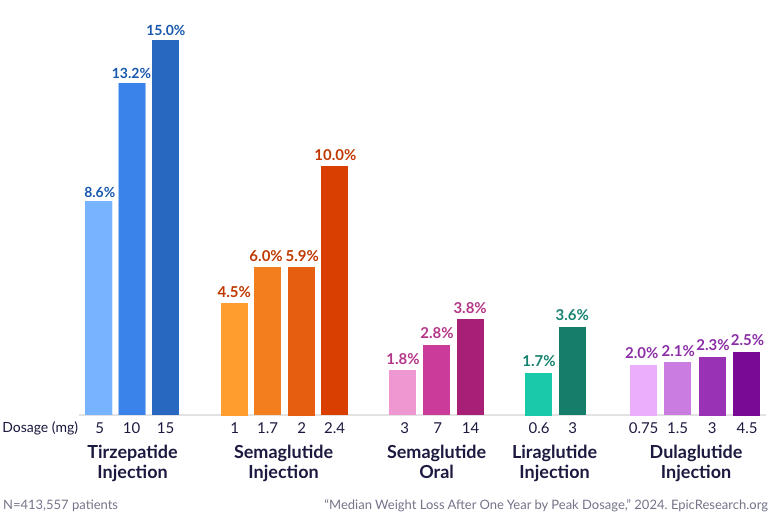
ExpandMany Patients Maintain Weight Loss a Year After Stopping Semaglutide and Liraglutide
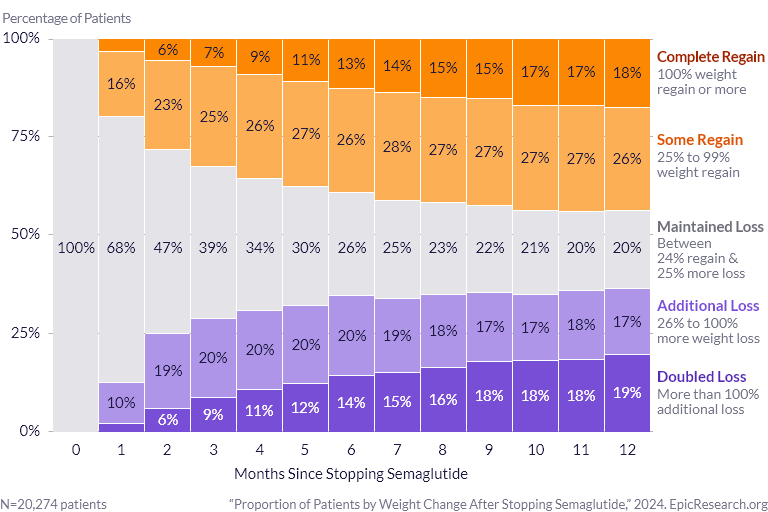
More than half of patients are able to maintain weight loss achieved while on semaglutide or liraglutide even a year after discontinuing the medication.
ExpandMore than half of patients are able to maintain weight loss achieved while on semaglutide or liraglutide even a year after discontinuing the medication.
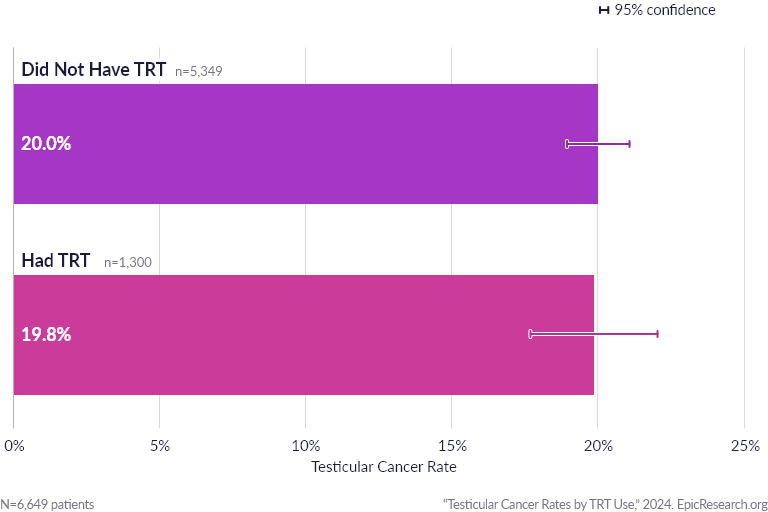
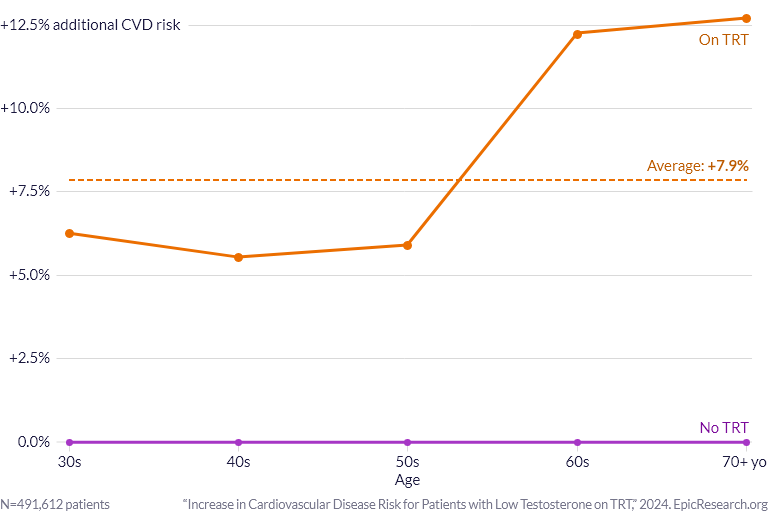
ExpandMen with low testosterone on testosterone replacement therapy (TRT) have a 7.9% increased risk of cardiovascular disease (CVD) compared to those not on TRT.
ExpandThe rate of follow-up after an office visit or telehealth visit in the 7, 30, or 90 days after the initial encounter has stayed fairly consistent over the last three years.
ExpandWomen screened for breast cancer annually have a 17% lower risk of all-cause mortality after a breast cancer diagnosis compared with those screened every two years.
ExpandUric acid levels below 3.5 mg/dL are correlated with increased rates of being diagnosed with non-vascular and vascular dementia, as well as other degenerative neurologic conditions.
ExpandMedicare Advantage patients have higher screening rates for breast cancer and colorectal cancer than traditional Medicare patients.
ExpandPatients with a high free T4 level are more than twice as likely to be diagnosed with takotsubo cardiomyopathy than those with a T4 level on the low end of normal.
ExpandBabies born to mothers with opioid use disorder (OUD) who are prescribed buprenorphine and buprenorphine/naloxone combination medications in the first trimester of pregnancy have a reduced risk of premature birth, low birth weight, and NICU admission when compared to babies born to mothers who are not prescribed medication for OUD.
ExpandPatients with a higher BMI have a greater risk of knee replacement failure within a year of the procedure.
ExpandRates of new malaria and dengue fever diagnoses remain low and became even less frequent during 2020 and 2021 which could be correlated with reduced travel during the pandemic.
ExpandHypertensive patients on ACE inhibitors, calcium channel blockers, and angiotensin II receptor blockers are more likely to develop glaucoma than hypertensive patients not on these medications.
ExpandBabies born to mothers who had hypertension or gestational diabetes, or who were over age 40 had the greatest risk of being admitted to the NICU.
ExpandWomen who are Black, aged 35 or older, or in the highest social vulnerability index (SVI) quartile have greater odds of being diagnosed with a severe maternal morbidity (SMM) condition than women that are White, 25-35 years old, or in the lowest SVI quartile, respectively.
ExpandWhile telehealth usage has declined since the initial peak early in the pandemic, it is still used much more broadly than before the pandemic.
ExpandThe proportion of self-pay emergency department (ED), hospital, and primary care encounters increased starting in April 2023 when states could start terminating Medicaid coverage for patients who no longer met Medicaid requirements following the pandemic.
ExpandThe rate of silicosis diagnoses per year has declined, from eight per million patients in 2017 to six per million in 2023.
ExpandCervical dysplasia is diagnosed at an average rate of 79 patients per 1,000 pap smears performed each month. This rate has generally not changed since 2018 apart from a temporary marked increase at the start of the COVID-19 pandemic, during which time screening volumes were atypically low.
ExpandCongestive heart failure patients’ 10-year-risk of stroke or transient ischemic attack (TIA) is similar for patients covered by traditional Medicare or Medicare Advantage.
ExpandEstablished and new patient office visits have had increased proportions of higher level-of-service codes since 2017, with the greatest change seen in new patient visits after 2021 code changes took effect.
ExpandMore than two-thirds of patients diagnosed with spina bifida who died in 2022 were at least 40 years old.