ExpandKnee Replacement Failure More Likely in Patients with a Higher BMI
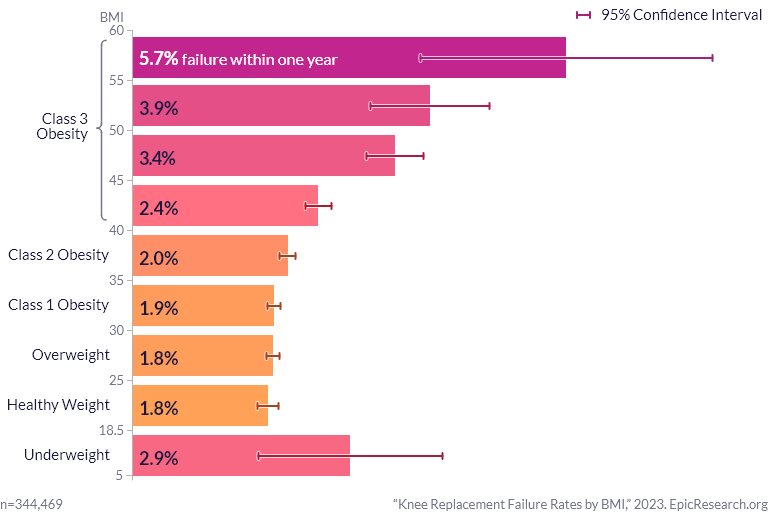
Patients with a higher BMI have a greater risk of knee replacement failure within a year of the procedure.
ExpandPatients with a higher BMI have a greater risk of knee replacement failure within a year of the procedure.
ExpandRates of new malaria and dengue fever diagnoses remain low and became even less frequent during 2020 and 2021 which could be correlated with reduced travel during the pandemic.
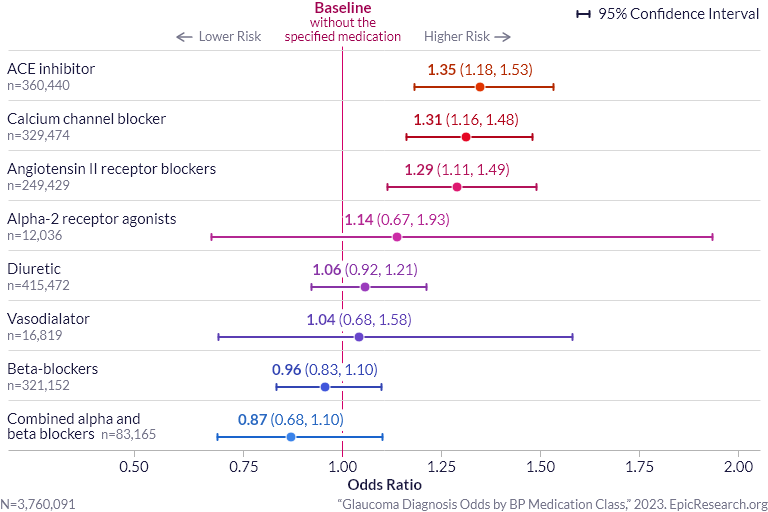
ExpandHypertensive patients on ACE inhibitors, calcium channel blockers, and angiotensin II receptor blockers are more likely to develop glaucoma than hypertensive patients not on these medications.
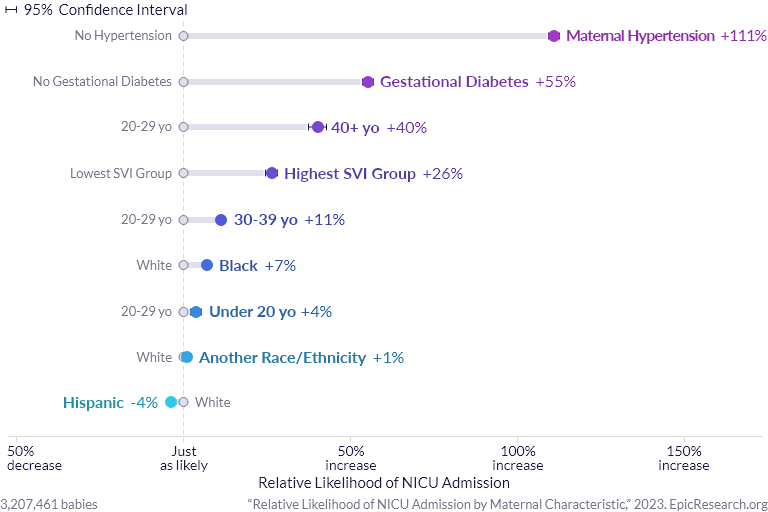
ExpandBabies born to mothers who had hypertension or gestational diabetes, or who were over age 40 had the greatest risk of being admitted to the NICU.
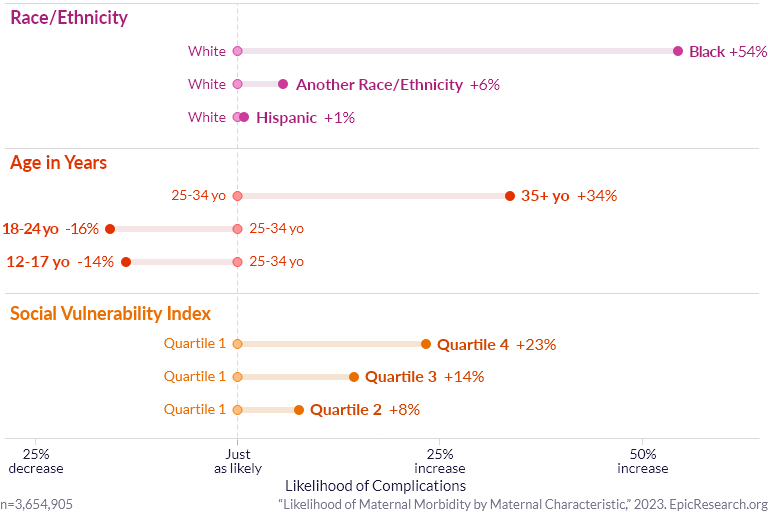
ExpandWomen who are Black, aged 35 or older, or in the highest social vulnerability index (SVI) quartile have greater odds of being diagnosed with a severe maternal morbidity (SMM) condition than women that are White, 25-35 years old, or in the lowest SVI quartile, respectively.
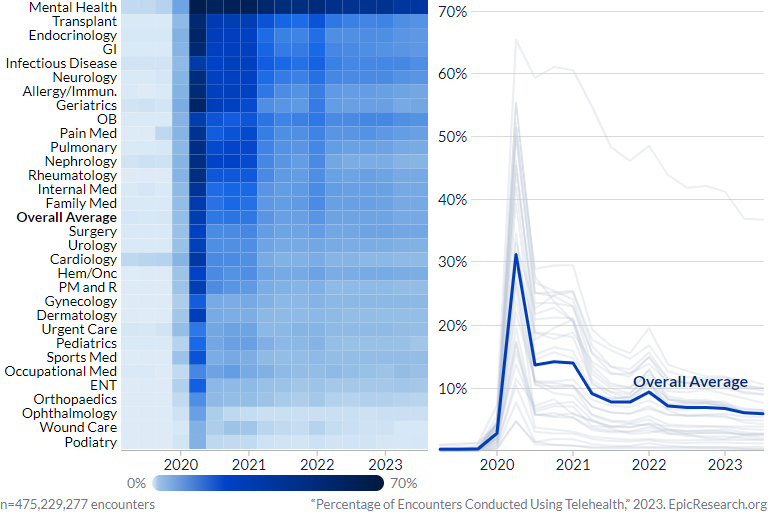
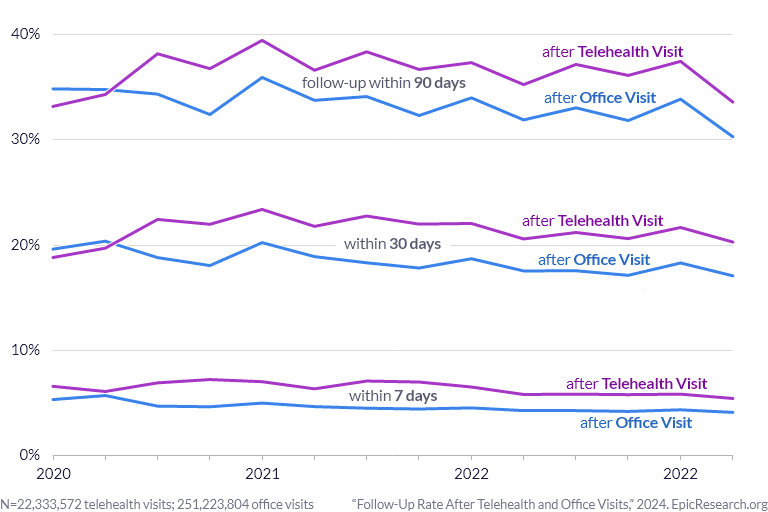
ExpandWhile telehealth usage has declined since the initial peak early in the pandemic, it is still used much more broadly than before the pandemic.
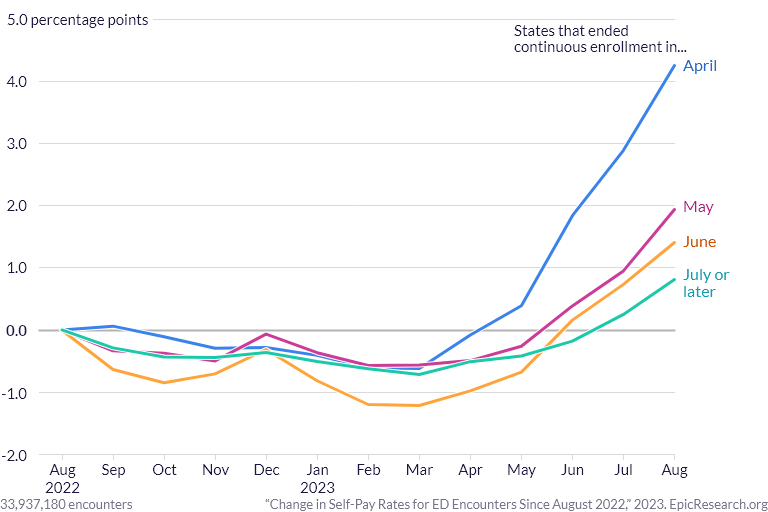
ExpandThe proportion of self-pay emergency department (ED), hospital, and primary care encounters increased starting in April 2023 when states could start terminating Medicaid coverage for patients who no longer met Medicaid requirements following the pandemic.
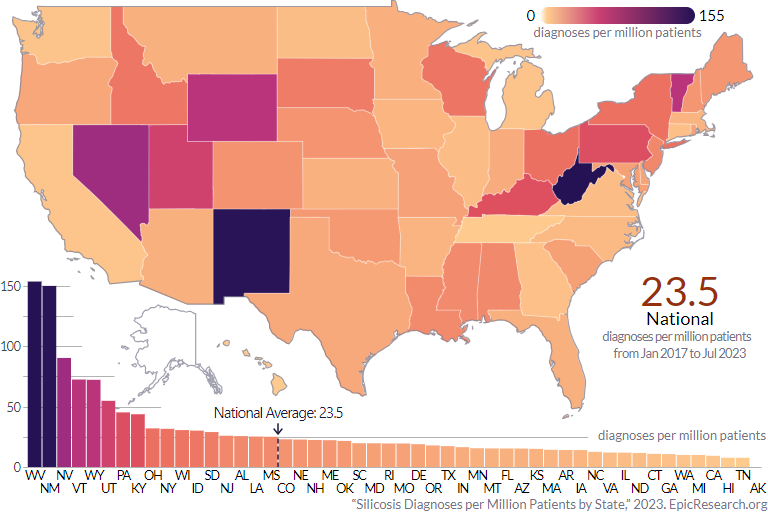
ExpandThe rate of silicosis diagnoses per year has declined, from eight per million patients in 2017 to six per million in 2023.
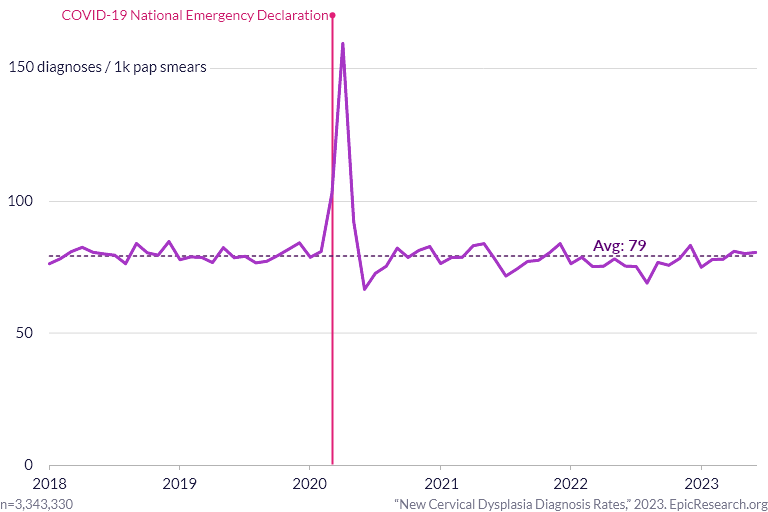
ExpandCervical dysplasia is diagnosed at an average rate of 79 patients per 1,000 pap smears performed each month. This rate has generally not changed since 2018 apart from a temporary marked increase at the start of the COVID-19 pandemic, during which time screening volumes were atypically low.
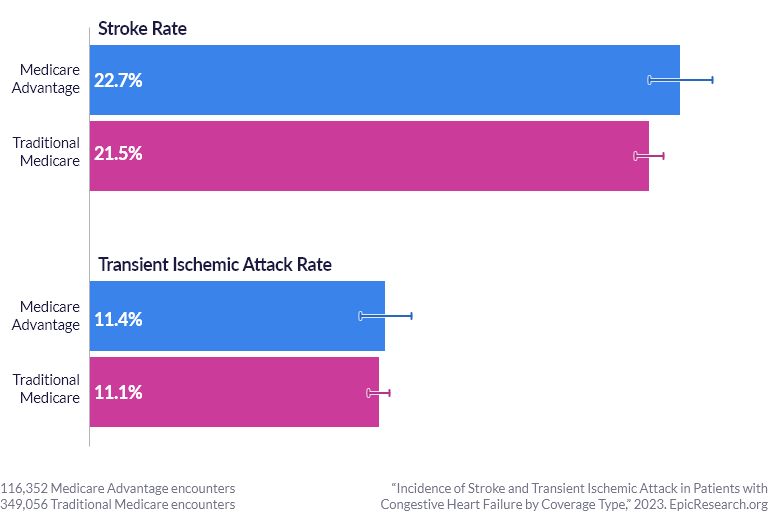
ExpandCongestive heart failure patients’ 10-year-risk of stroke or transient ischemic attack (TIA) is similar for patients covered by traditional Medicare or Medicare Advantage.
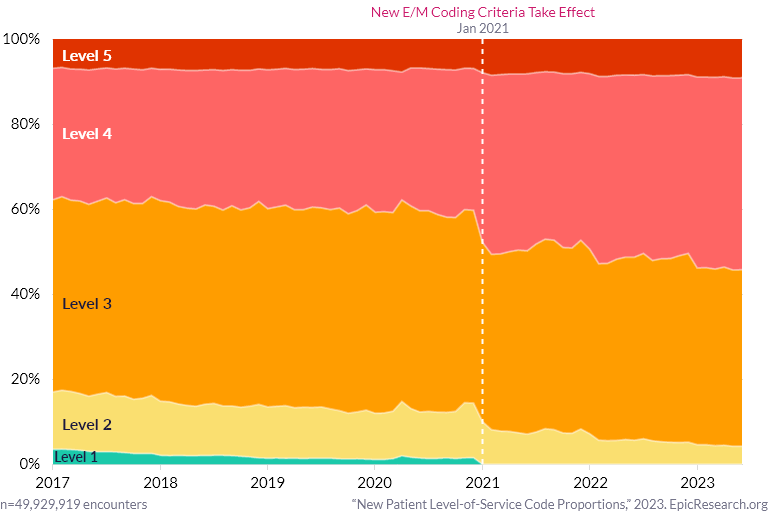
ExpandEstablished and new patient office visits have had increased proportions of higher level-of-service codes since 2017, with the greatest change seen in new patient visits after 2021 code changes took effect.
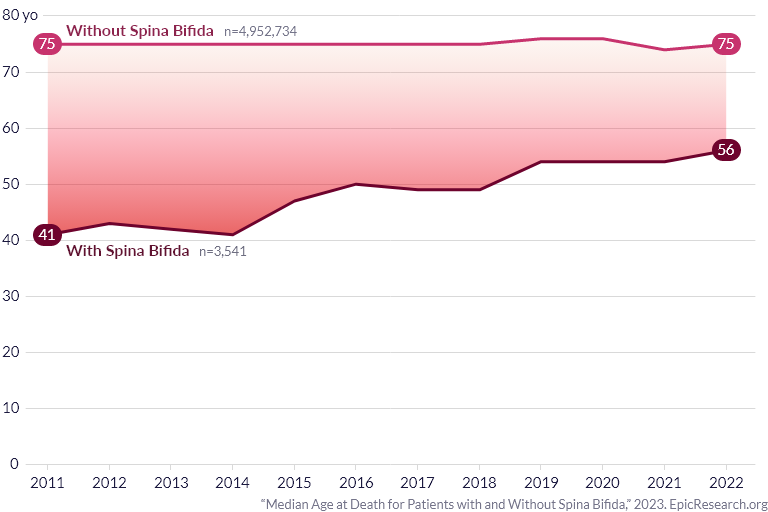
ExpandMore than two-thirds of patients diagnosed with spina bifida who died in 2022 were at least 40 years old.
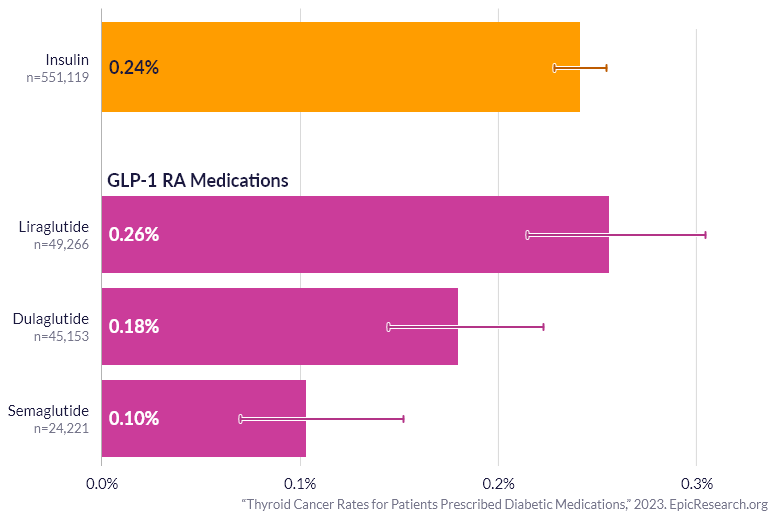
ExpandAfter adjusting for known risk factors, patients prescribed semaglutide, liraglutide, or dulaglutide were not at an increased risk for thyroid cancer compared to patients prescribed insulin.
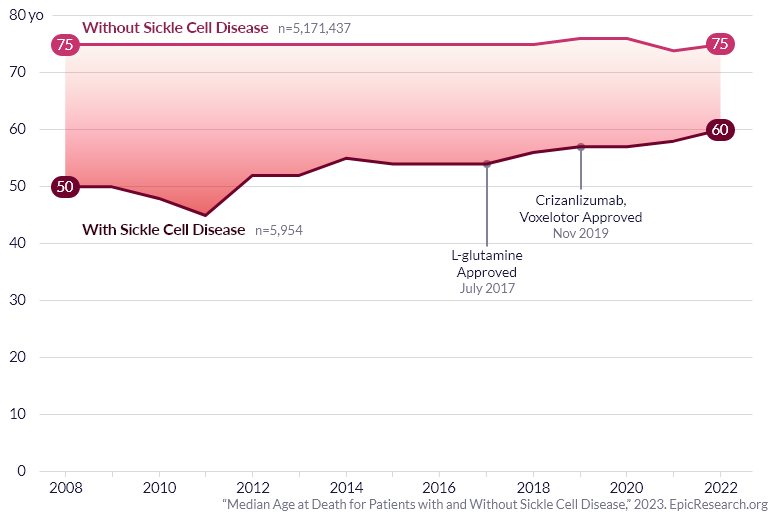
ExpandMore than half of patients diagnosed with sickle cell disease who died in 2022 were at least 60 years of age.
ExpandMetformin use is correlated with a decreased risk of cancer, cardiovascular disease, and Alzheimer’s in type 2 diabetic patients.
ExpandTelehealth visits were, on average, consistently billed at a lower level of service than office visits of the same type, with one exception. New patient specialty telehealth visits were billed at LOS 5 slightly more frequently than office visits of the same type.
ExpandWhile the rates of outpatient, emergency, and hospital encounters for mental health have decreased, rates for female adolescents remain above pre-pandemic levels.
ExpandType 2 diabetic patients on Medicare fee-for-service and Medicare Advantage see similar A1C control and rates of retinopathy. Patients on Medicare Advantage are slightly less likely (11%) to have a lower extremity amputation.
Similar to reports by the CDC, COVID-19 infections and subsequent ED visits and hospitalizations are rising again.
ExpandThe proportion of amalgam fillings in posterior teeth decreased more than 73% from 2017 to 2022.