ExpandLagevrio Significantly Reduces COVID-19 Hospitalization and Death
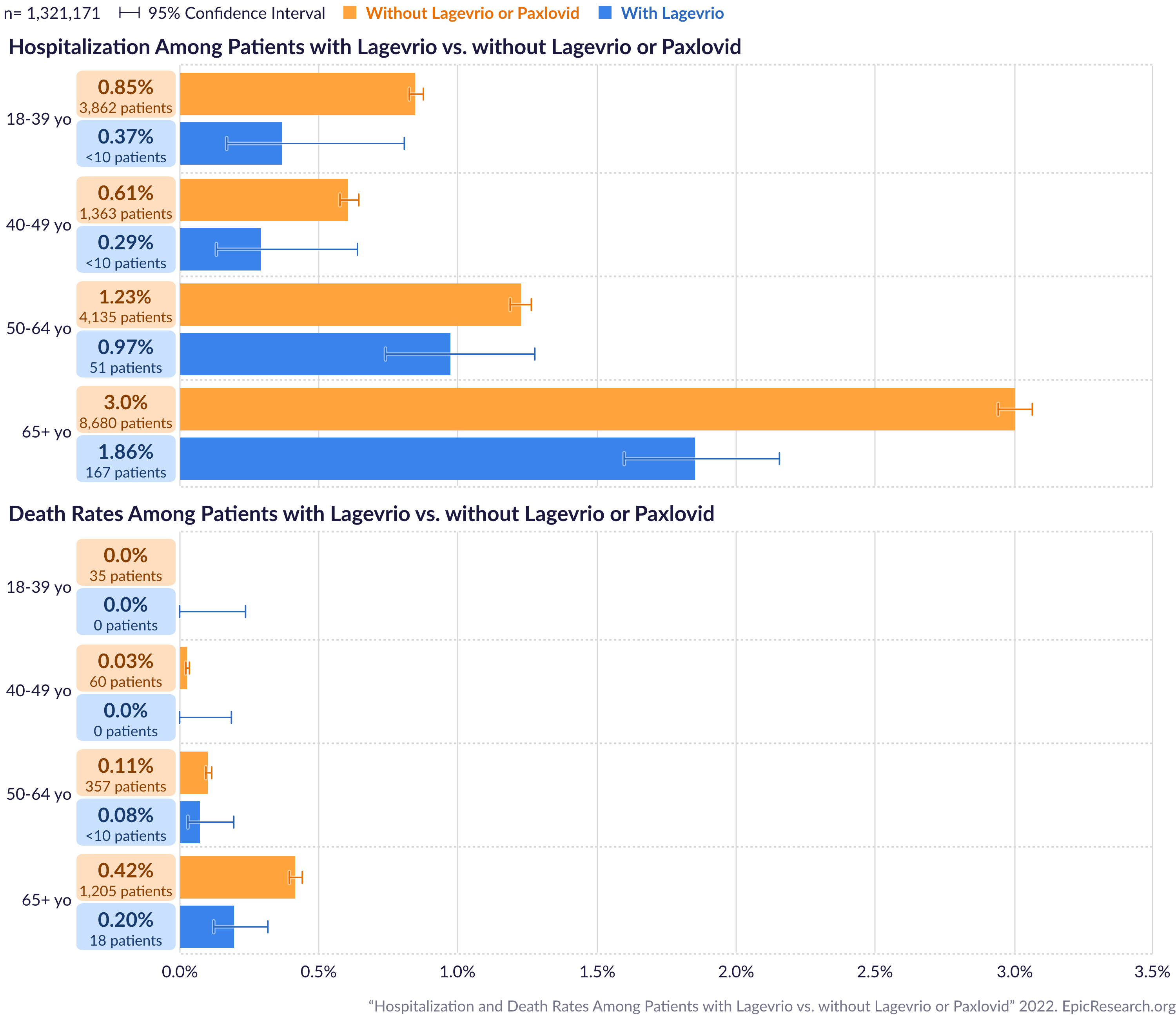
COVID-19 patients treated with Lagevrio (molnupiravir) are less likely to be hospitalized or die from COVID-19 than those not treated with Lagevrio.
ExpandCOVID-19 patients treated with Lagevrio (molnupiravir) are less likely to be hospitalized or die from COVID-19 than those not treated with Lagevrio.
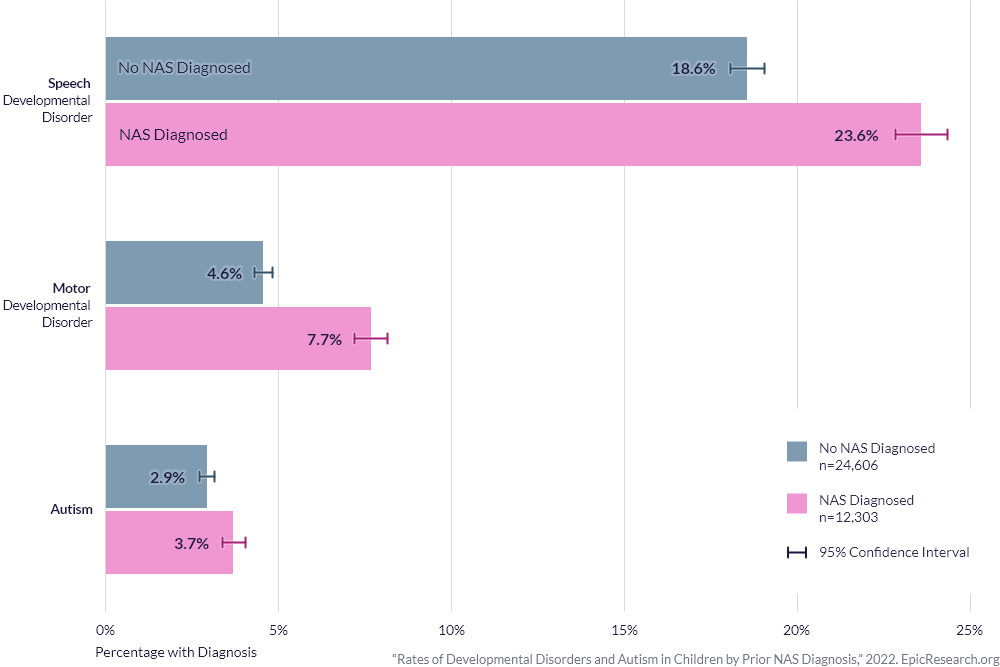
ExpandInfants diagnosed with neonatal abstinence syndrome are more likely to be diagnosed with developmental disorders and/or autism in the first 5 years of life
ExpandAmong U.S. adults diagnosed with COVID-19, including those with previous infection or vaccination, persons who were prescribed Paxlovid within 5 days of diagnosis had a 51% lower hospitalization rate within 30 days after diagnosis than those who were not prescribed Paxlovid.
ExpandPatients are less likely to be hospitalized or die from COVID-19 if treated with Paxlovid in an unadjusted analysis.
ExpandWhile standard toxicology screenings test for opiates, chemicals extracted from natural sources such as morphine (an indicator of heroin use), most of these screenings do not detect fentanyl, a synthetic opioid. Patients who are treated in the emergency department for overdoses are tested for fentanyl in only 5% of cases, and fentanyl is detected in almost 50% of these tests. As overdose deaths from synthetic opioids were 18 times more likely in 2020 than in 2013, updating screening protocols to include fentanyl testing would be prudent.
ExpandPrescriptions for Paxlovid to treat COVID-19 have increased steadily since March 2022. Paxlovid use is correlated with 5 times fewer hospitalizations and 10 times fewer deaths for patients diagnosed with COVID-19.
ExpandPatients with comorbidities seek care for long-COVID-like symptoms at higher rates, regardless of whether they have had COVID-19.
ExpandTelehealth use has declined since the start of the pandemic, but rates remain similar in rural and urban areas.
ExpandCOVID-19 is not the only respiratory infection to cause long-term symptoms.
ExpandMost cases of neonatal abstinence syndrome (NAS) are not associated with an opioid prescription within 90 days prior to birth.
ExpandWith COVID-19’s increased demands on healthcare workers, nursing staff shortages have been widespread1,2,3. We evaluated data from more than 26 million 12-hour nursing shifts across 189 U.S. healthcare organizations to determine how much nursing staff turnover healthcare organizations are experiencing. One measure of turnover is the median length of time nurses have been at their current organization. We found that from March 2021 to March 2022, median tenure dropped 19.5% across all U.S. regions, as shown in figure 1.
ExpandCOVID-related health care utilization drops significantly more than 30 days after initial diagnosis and continues to decline as patients approach one year post-initial infection across all age groups.
COVID-19 patients aged 65 and older are 25 times more likely to seek medical care in the first 30 days after initial diagnosis than 301-360 days after their diagnosis.
ExpandMost COVID-19 hospitalization statistics include all patients who are admitted to the hospital with a COVID-19 diagnosis or COVID-19 positive lab test. However, it’s possible for patients to test positive for COVID-19 while admitted for an unrelated problem, such as a head injury or a heart attack, and experience a mild or asymptomatic case of COVID-19 that might not require hospitalization on its own. Some studies and recent media reports suggest that this might lead experts to overcount COVID-19-related admissions, especially for children.
ExpandInfants less than two months old are most likely to be hospitalized with a COVID infection compared to other children under five years old. Hospitalizations were highest during the period where the Delta variant was prominent for all age groups under five years old.
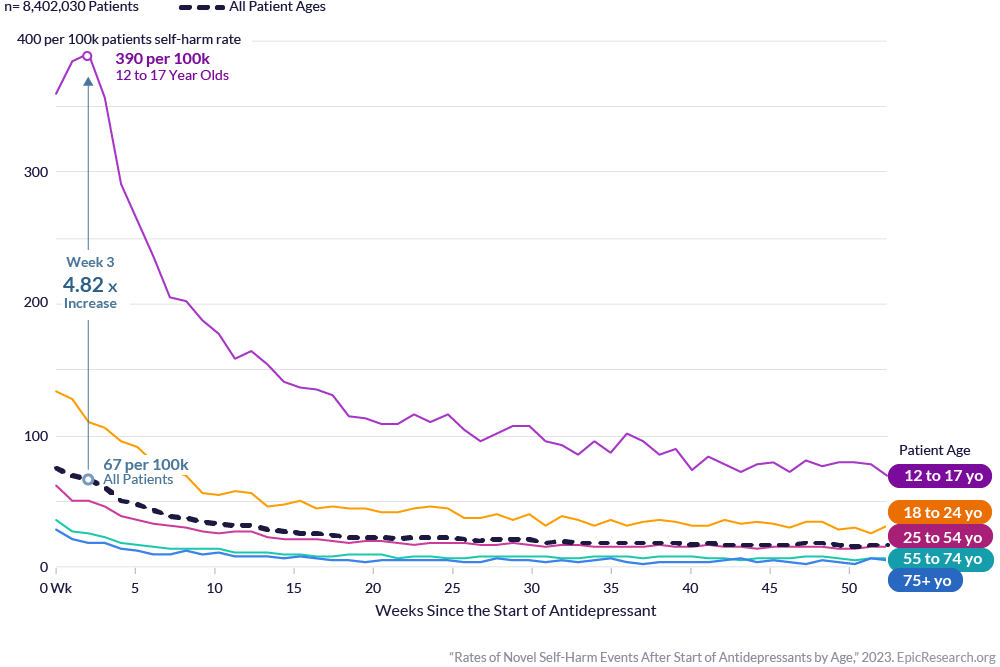
ExpandPediatric suicide and self-harm attempts are on the rise, especially for 13- to 15-year-olds and females. Universal screenings, patient safety plans, and provider facilitation of family communication can help address the mental health concerns that have led to this increase. Suicide is the second leading cause of death in the U.S. for 10- to 17-year-olds, and the youth suicide rate increased 56% between 2007 and 2017. Our data show that this trend has continued through 2021 as pediatric suicide and self-harm encounters in the emergency department and hospital increased for all age groups.
ExpandPrevious infection with SARS-CoV-2, the virus that causes COVID-19, has been estimated to confer up to 90% protection against reinfection, although this protection was lower against the Omicron variant compared with that against other SARS-CoV-2 variants. A test-negative design was used to estimate effectiveness of COVID-19 mRNA vaccines in preventing subsequent COVID-19–associated hospitalization among adults aged ≥18 years with a previous positive nucleic acid amplification test (NAAT) or diagnosis of COVID-19. The analysis used data from Cosmos, an electronic health record (EHR)–aggregated data set, and compared vaccination status of 3,761 case-patients (positive NAAT result associated with hospitalization) with 7,522 matched control-patients (negative NAAT result). After previous SARS-CoV-2 infection, estimated vaccine effectiveness (VE) against COVID-19–associated hospitalization was 47.5% (95% CI = 38.8%–54.9%) after 2 vaccine doses and 57.8% (95% CI = 32.1%–73.8%) after a booster dose during the Delta-predominant period (June 20–December 18, 2021), and 34.6% (95% CI = 25.5%–42.5%) after 2 doses and 67.6% (95% CI = 61.4%–72.8%) after a booster dose during the Omicron-predominant period (December 19, 2021–February 24, 2022). Vaccination provides protection against COVID-19–associated hospitalization among adults with previous SARS-CoV-2 infection, with the highest level of protection conferred by a booster dose. All eligible persons, including those with previous SARS-CoV-2 infection, should stay up to date with vaccination to prevent COVID-19–associated hospitalization.
ExpandA large body of previous research has demonstrated racial gaps in autism diagnosis, with White children diagnosed with autism spectrum disorder (ASD) earlier and more often than children in other racial and ethnic groups. More recent analyses, such as those by the CDC, have found that those gaps are declining. In our analysis, we found further evidence that efforts to reach parity across rates of diagnosis and age of diagnosis have been successful as those differences are declining across all racial groups.
ExpandUnderlying medical conditions associated with high risk for severe COVID-19 are outlined by the CDC. In this study, we quantify how certain comorbidities could affect the risk of a breakthrough COVID-19 case, defined as getting a COVID-19 infection after being fully vaccinated.
ExpandLike healthcare visit volumes in the outpatient space, emergency department (ED) visit volumes dropped significantly at the beginning of the pandemic and had not yet recovered as of early 2021.1 While weekly ED visit volume has increased, volumes declined again to 12% fewer visits than expected as the pandemic continued through the remainder of 2021, as shown in Figure 1. These decreased volumes, however, don’t mean less work for ED physicians, nurses, and caregivers.
ExpandSince the start of the pandemic, hospitals have been experiencing capacity issues as COVID-19 infections requiring hospitalization have taken hold. As shown in Figure 1, we identified five distinct surges in COVID hospitalizations across the U.S. between March 2020 and November 2021. In each surge, daily admissions increased at least 10% from the previous average weekly admissions.